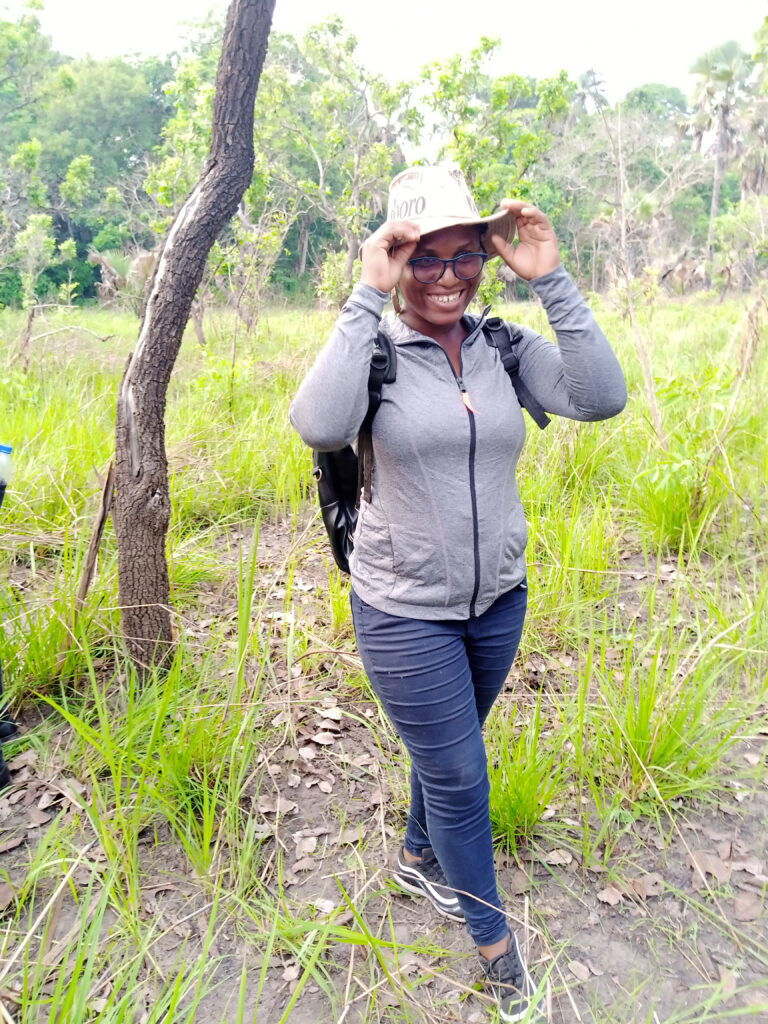
I came to the SPIBES MSc with a background in Agropastoral Economics and Management, and a particular interest in the interface between science and policy. That interface — the space where research findings meet the decisions that govern how biodiversity and ecosystems are managed — is where I wanted to build my career. The programme gave me the foundation to do exactly that.
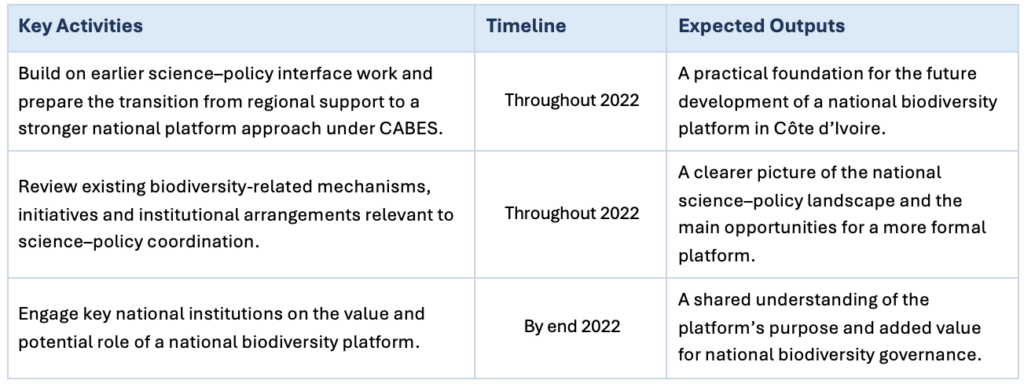
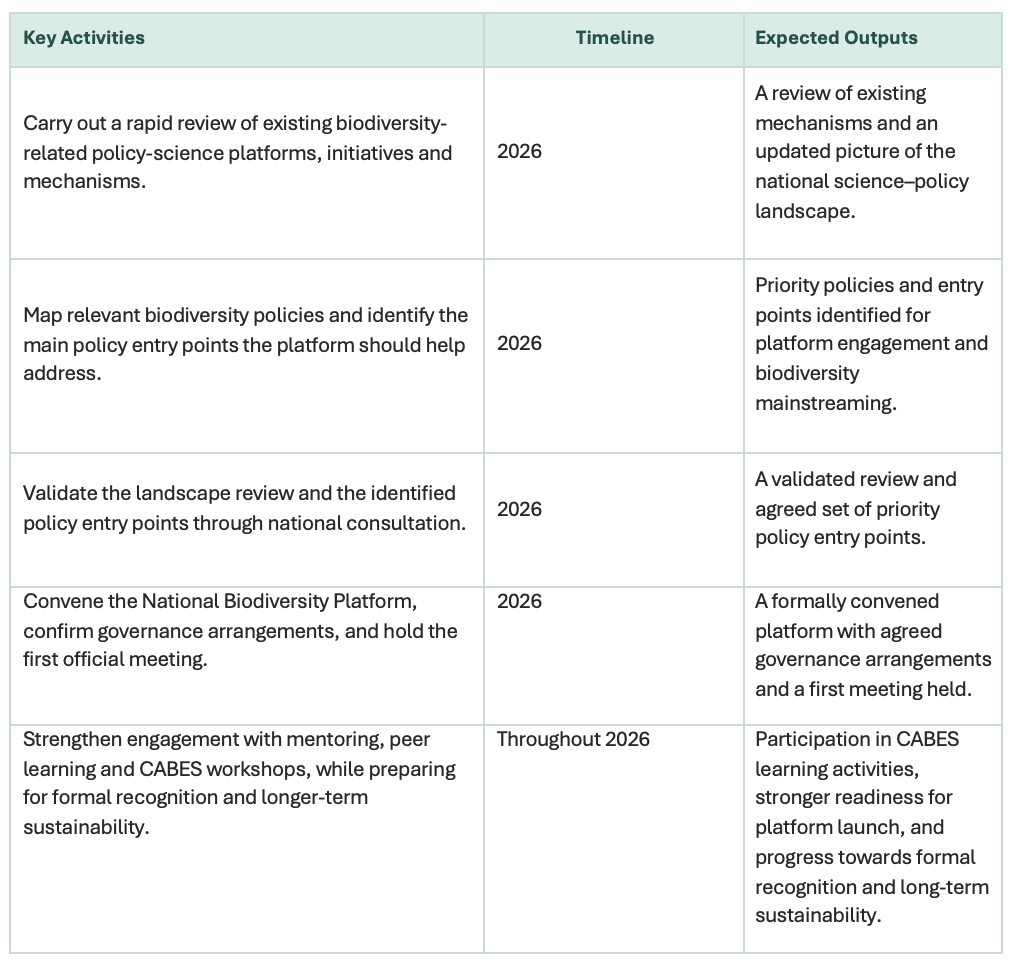
The skills I gained through SPIBES have been directly applicable from the moment I graduated. I have drawn on my training in Environmental and Social Impact Assessment to contribute to projects with EBS Advisory, and I apply methods in knowledge co-production, interdisciplinary research, and project management in my current role as a Project Assistant within the CABES project at Université Félix Houphouët-Boigny. The programme also helped me strengthen my English — an essential skill for working in multicultural, multilingual teams — and significantly expanded my professional network.
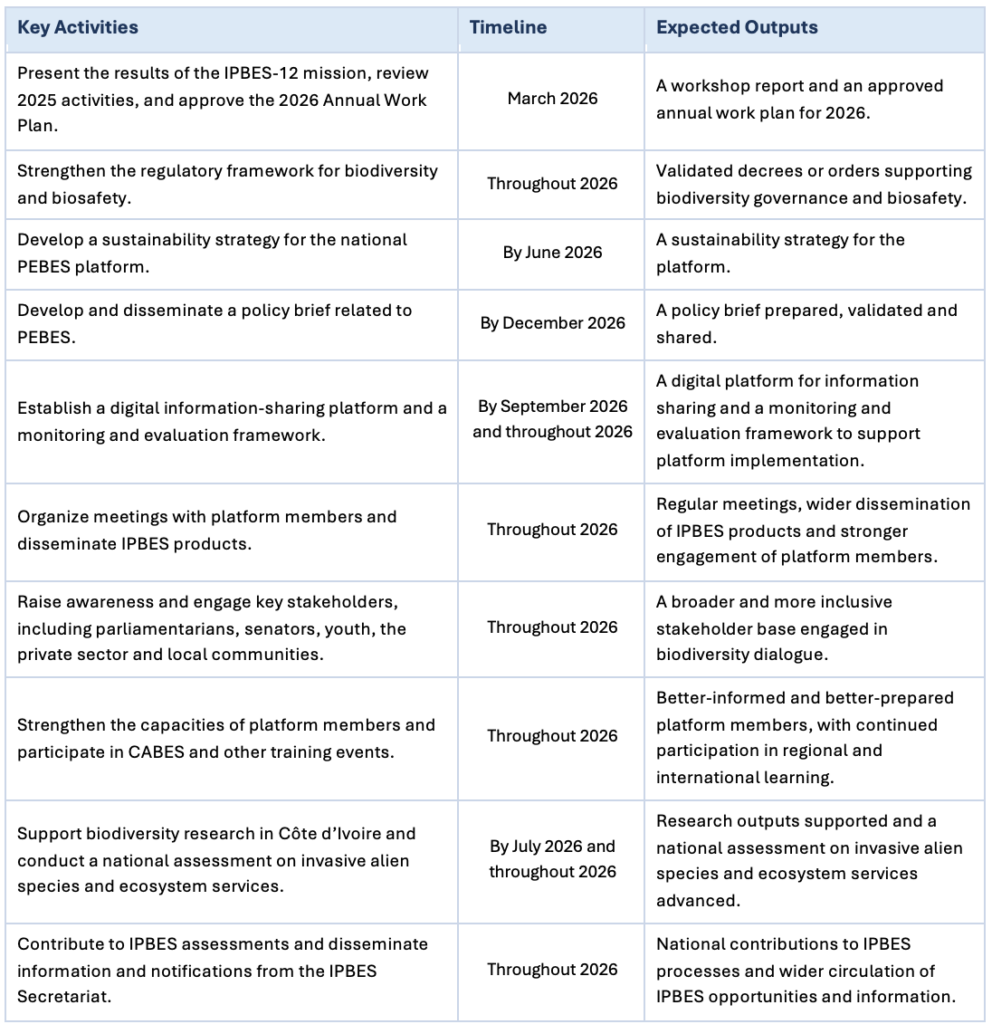
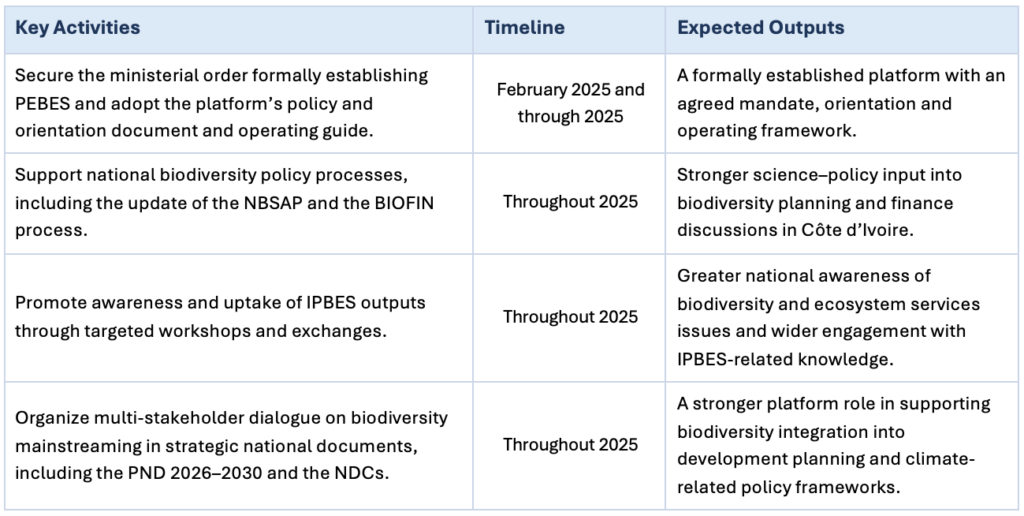
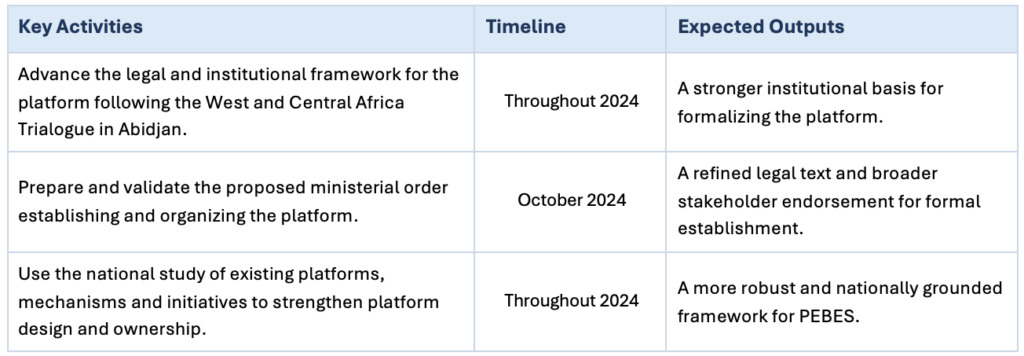
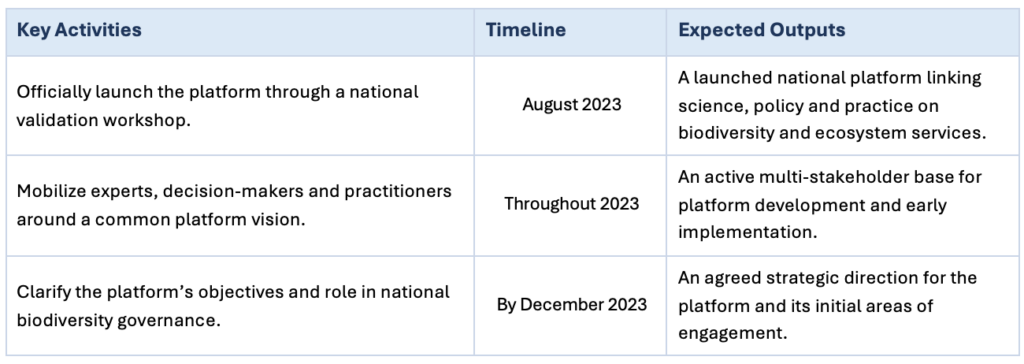
Some of the most valuable experiences have come through engagement with international biodiversity governance processes. I have collaborated with the IPBES National Focal Point in Côte d’Ivoire to support the assessment process across relevant policy sectors, and contributed to the review of IPBES assessment documents — including the assessment on the diverse values and valuation of nature and the thematic assessment of the sustainable use of wild species. I have also worked with the UNCCD National Focal Point on projects and events, including the fifteenth Conference of the Parties to the UN Convention to Combat Desertification.
For a young scientist from Côte d’Ivoire, these opportunities have been transformative. SPIBES did not just give me knowledge — it gave me a place in a global conversation about the future of biodiversity, and the confidence to contribute to it.