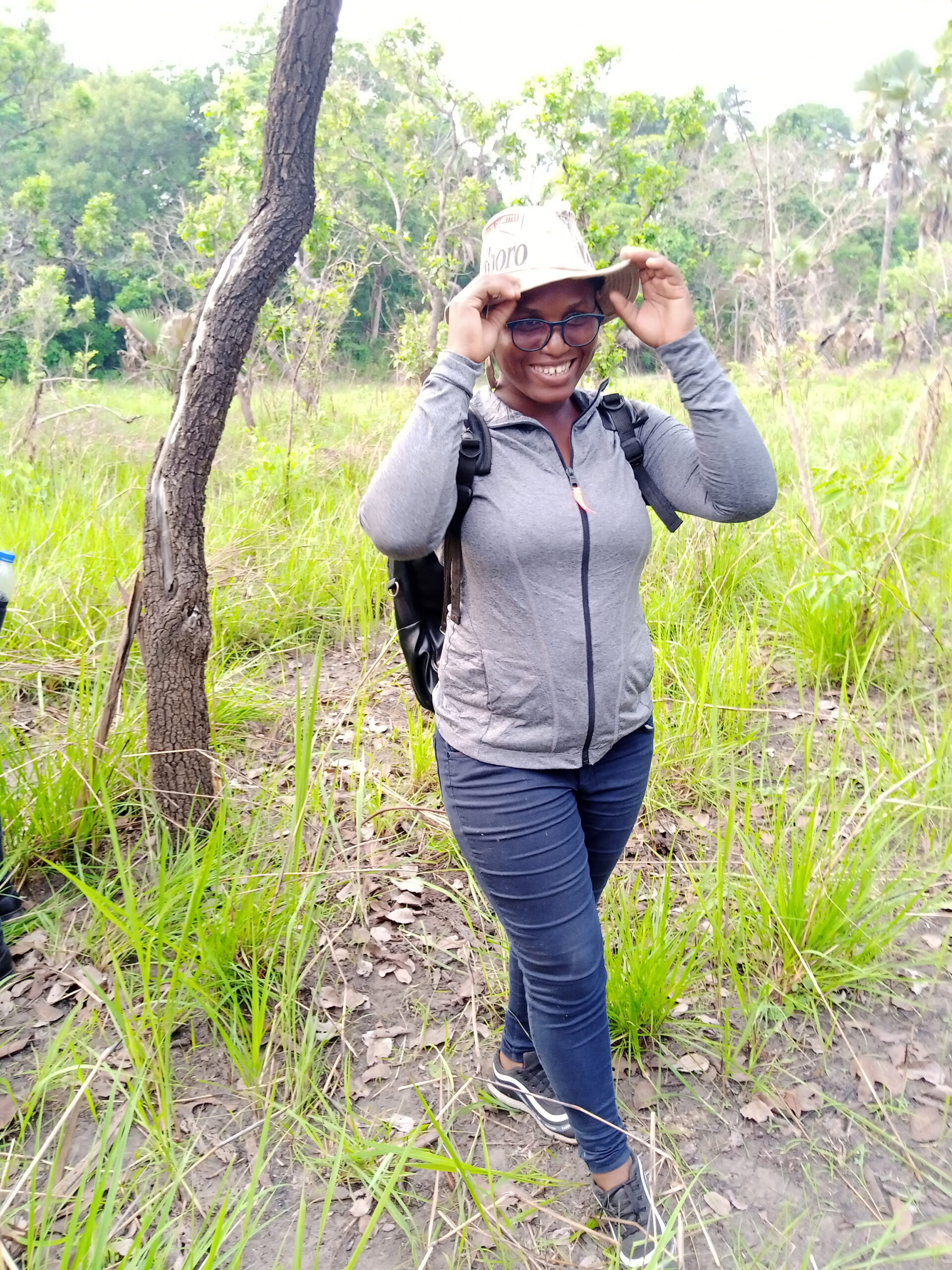
“This master’s gave me the skills and knowledge I needed to go forward” — Korotoum Tiémongo Soro, Côte d’Ivoire
Korotoum Tiémongo Soro graduated from the SPIBES MSc at Université Félix Houphouët-Boigny in 2022, bringing a background in Agropastoral Economics and Management from Korhogo, Côte d’Ivoire. Since graduating, she has wasted no time putting her training to work — contributing to IPBES assessment reviews, collaborating with the UNCCD National Focal Point, and now serving as a Project Assistant within the CABES project at UFHB. Here, she reflects on how the programme shaped her career and what it continues to offer her.
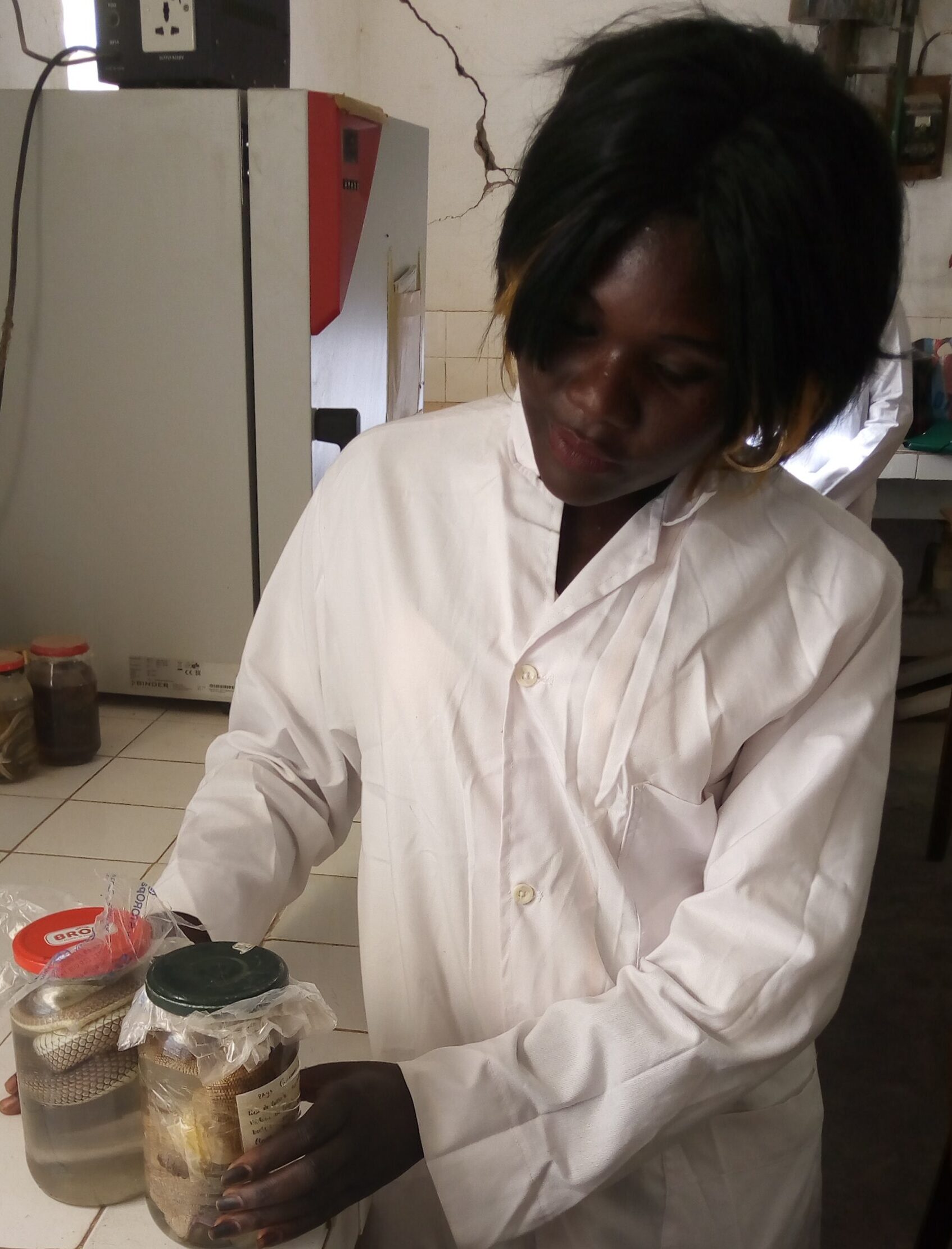
“I am fascinated by how biodiversity contributes to ecosystem functioning” — Fanoné Tchindébé, Chad
Fanoné Tchindébé is a Zoology graduate from Chad, bringing a strong foundation in animal biology and applied zoology to the SPIBES MSc, which he began in August 2024. Passionate about the complex interactions between species and their habitats, Fanoné is drawn to the programme’s integrated approach — combining theory, practice, and policy to address the biodiversity challenges facing Africa. Here, he shares his motivations for joining SPIBES and his ambitions for the future.
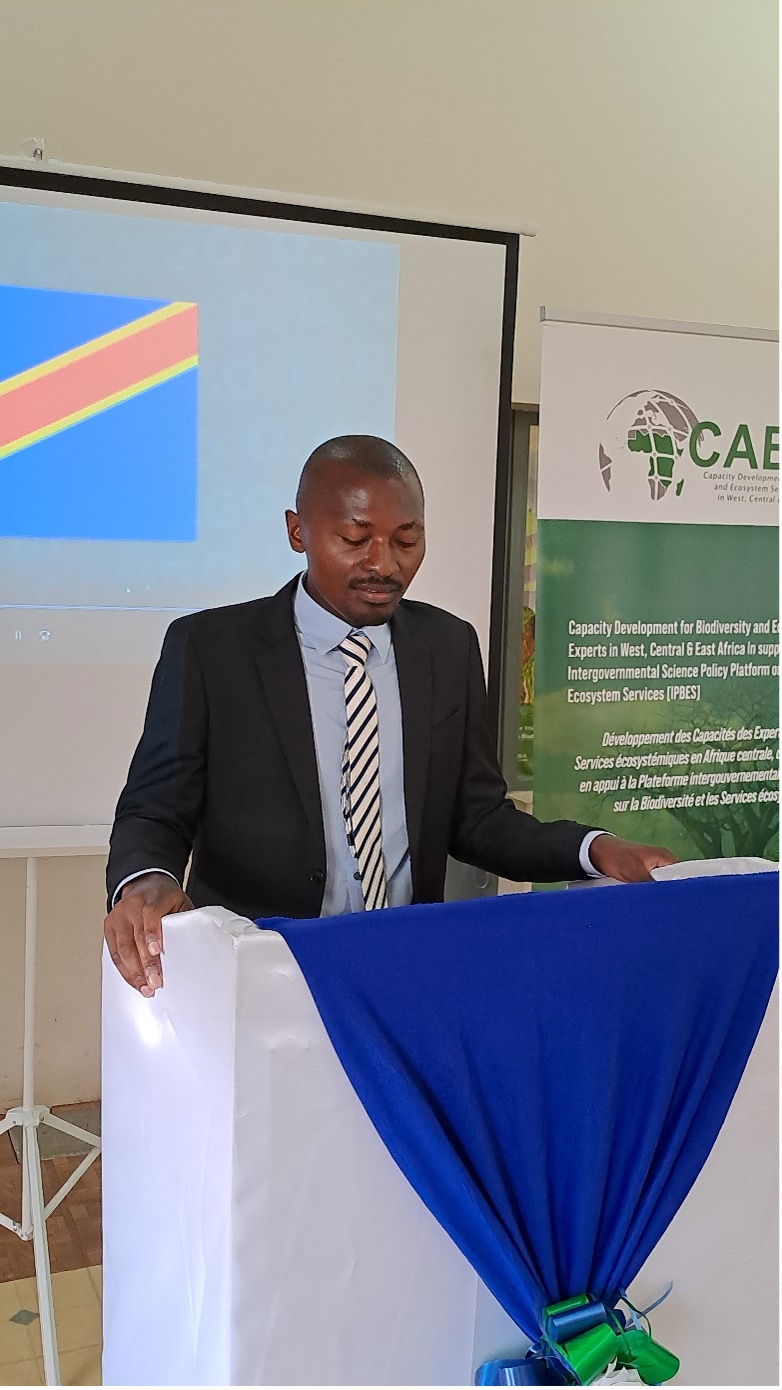
“The problems we face are too complex for one elite to solve” — Aristote Bwende Nkolomoni, DRC
Aristote Bwende Nkolomoni arrived at the SPIBES MSc with a background in agronomy — specifically soil and water — and left with a conviction that the most complex environmental challenges can only be solved collectively. A student from the Democratic Republic of Congo in the 2022–2024 cohort, Aristote embraced the programme’s transdisciplinary approach, developing skills in mixed methods research, knowledge co-production, and stakeholder engagement. Here, he shares what SPIBES has meant to him and the researcher it has helped him become.
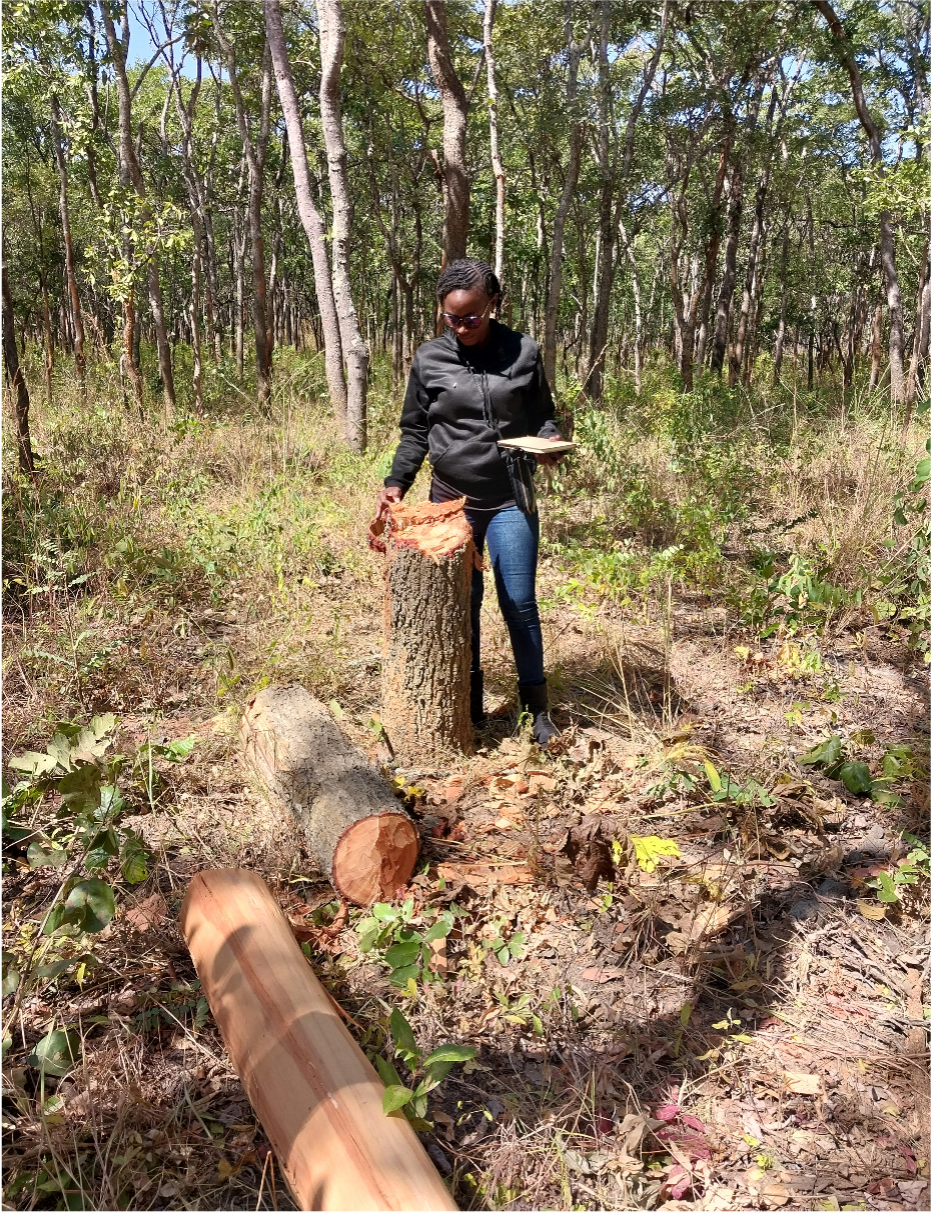
“It gives me great joy to communicate science to different stakeholders” — Hildah Ikabongo, Zambia
Hildah Ikabongo came to the SPIBES MSc with a passion for environmental protection and a background in Environmental Education. Now conducting fieldwork in the North Swaka Forest Reserve in Zambia’s Central Province, she has gained far more than she anticipated — from policy brief writing and GIS to direct engagement with IPBES assessments as an external reviewer. Here, she reflects on how the programme has shaped her career and her vision for biodiversity conservation in Zambia and beyond.
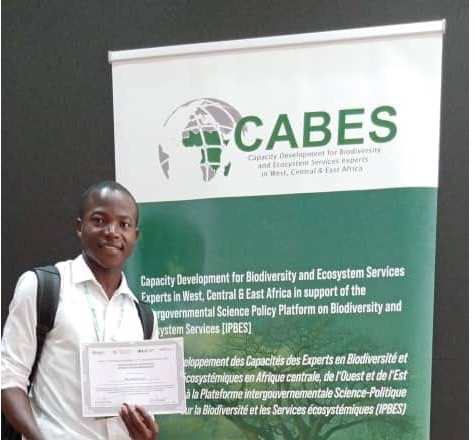
“This master’s allowed me to study conservation laws in depth” — Siba Kalivogui, Guinea
Siba Kalivogui is a Water and Forest Engineer from Guinea, currently conducting fieldwork in the forests of Seredou in Forest Guinea. Drawn to the SPIBES MSc by a deep interest in conservation processes across Africa, Siba has used the programme to build an impressive technical toolkit — from biodiversity modelling and plant species inventories to nature-based solutions and GIS technologies. Here, he reflects on what the programme has given him and where he hopes to take it.
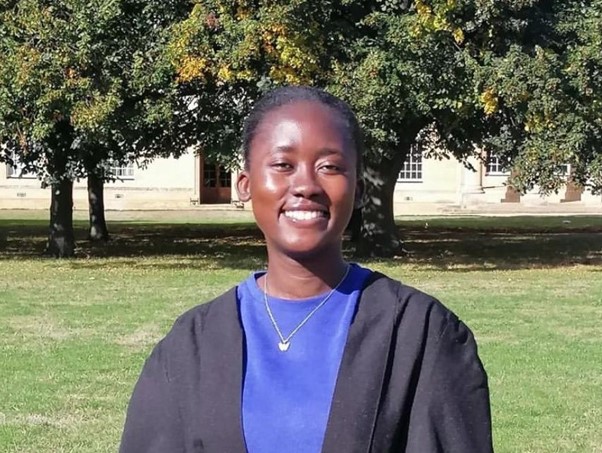
SPIBES voices reach the global stage: UNEP-WCMC publishes student and alumni testimonies
In September 2024, the UN Environment Programme World Conservation Monitoring Centre (UNEP-WCMC) published a feature story highlighting the experiences of young African professionals empowered through the SPIBES MSc programme. Six of our own students and alumni — from Kenya, Zambia, the Republic of Congo, Côte d’Ivoire, Guinea, and Zimbabwe — shared their testimonies on how the programme has shaped their careers and their engagement with international biodiversity governance.