We are pleased to share a policy brief produced by Irene Mbuthye Mwendwa, a current student in the SPIBES East Africa programme. The brief, titled Evaluating the Ecological and Socioeconomic Effects of Wetland Restoration on Artisanal Fisheries in Watamu, Kenya, was written as part of her MSc research and reflects her own findings and recommendations.
About the brief
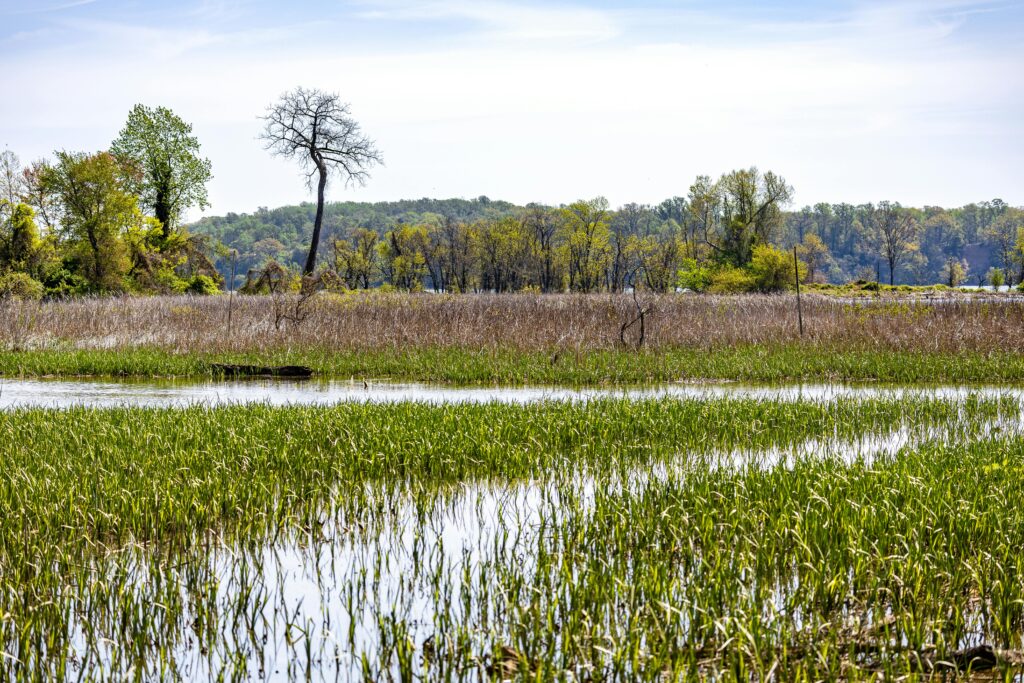
Artisanal fisheries support the livelihoods of over 27,000 active fishers in Kenya, and in communities like Watamu, 60% of households depend on artisanal fishing for their income. Yet fish stocks have been declining steadily, threatening food security and coastal livelihoods. In response, the Kenyan government has restored over 8,000 hectares of mangroves along the coast under the National Mangrove Ecosystem Management Plan 2017–2027. Irene’s brief asks a critical question: what are the actual ecological and socioeconomic effects of this restoration on fishing communities?
Key findings
Irene’s research compared restored sites at Mida and Dabaso with a non-restored site at Magangani, using 30 belt transects for ecological data and interviews with 50 artisanal fishers and 27 key informants. Restored sites showed substantially higher mangrove stem densities — 4,600 and 4,100 stems per hectare, respectively — compared to just 2,300 stems per hectare at the non-restored site. Fishers reported increased abundance of several species including tilapia, mangrove snapper, parrotfish, squid, and catfish since restoration began, and 76% of respondents said mangroves play a major role in supporting their livelihoods.
However, the picture is not straightforward. Statistical analysis confirmed a significant decline in average catches of 6.52 kg per fishing trip over three years, driven by sustained regional fishing pressure. Regression analysis showed a positive but modest association between mangrove restoration and livelihood resilience, with the model explaining only 8.9% of the variation in livelihood outcomes — suggesting that restoration alone cannot fully offset the structural pressures facing fishing communities.
Recommendations
Based on her findings, Irene calls for targeted livelihood diversification programmes in underserved communities, encompassing aquaculture, eco-tourism, mangrove beekeeping, and fish processing. She recommends prioritising Avicennia marina as a resilient mangrove species for restoration, given its resistance to barnacle colonisation compared to Rhizophora mucronata. She also calls for scaled-up community education on mangrove-fishery linkages and investment in long-term research to better understand the evolving relationship between restoration and fishing household outcomes.
You can download Irene’s full policy brief below: