We are pleased to share a policy brief produced by Nthiwa Christbell Ndunge, a current student in the SPIBES East Africa programme. The brief, titled Restoring Rangelands: Evaluating the Effectiveness of Assisted Natural Regeneration (ANR) for Invasive Opuntia stricta Control and Community Perception in Maiyanat Community Conservancy, Kenya, was written as part of her MSc research and reflects her own findings and recommendations.
About the brief
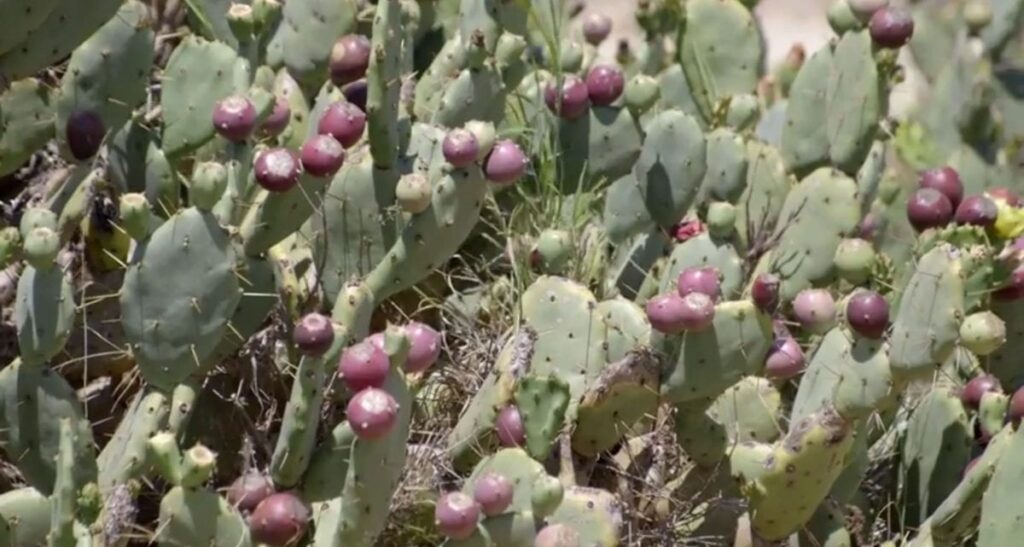
The rangelands of Laikipia County are central to the livelihoods of Kenya’s indigenous Maa community, whose pastoralism depends on healthy grassland ecosystems. Since its introduction in the 1950s, the invasive cactus Opuntia stricta has spread aggressively across the landscape, reducing grazing land, displacing native vegetation, injuring livestock, and driving biodiversity loss. Despite ongoing control efforts, existing management is guided by broad national policies that do not specifically address the species. Nthiwa’s brief assesses the effectiveness of Assisted Natural Regeneration — the removal of O. stricta to accelerate natural recovery — as a targeted intervention, and explores community perspectives on management options.
Key findings
Nthiwa’s research compared 50 restored and 50 non-restored sites across 100 nested ecological plots, combined with 40 household interviews and three focus group discussions. The results are encouraging: restored sites recorded a 36.8% higher plant species richness than non-restored sites, demonstrating that ANR is an effective approach for rangeland recovery. Community consultations also highlighted the strong potential for turning O. stricta into an economic resource — slurry-based livestock feed was the most preferred treatment among animals, and processing the biomass into biogas was found to produce enough cooking gas for a household for up to one week from a single bucket of slurry. Stakeholders also flagged a significant policy gap, noting that no species-specific management framework currently exists for O. stricta, limiting the effectiveness of control efforts.
The brief also raises a precautionary note about the growing promotion of Juncao grass in parts of Kenya, highlighting the need for localized ecological assessments before large-scale introduction of any new species — drawing directly on the lessons of the O. stricta invasion.
Recommendations
Based on her findings, Nthiwa calls for a national O. stricta management strategy that formalises stakeholder coordination and provides a clear framework for control and long-term management. She recommends scaling up value chains — including biofuel, cactus juice, and animal feed — to transform the invasive species into an economic resource. She also calls for county-led monitoring and hotspot mapping, stricter biosecurity measures to prevent further spread, and dedicated funding for sustainable control methods with full environmental and carbon impact assessments.
You can download Nthiwa’s full policy brief below: