
National Science–Policy–Practice Platform on Biodiversity and Ecosystem Services (transitioning toward a legally mandated “National Commission on Biodiversity and Ecosystem Services”)
How the platform started
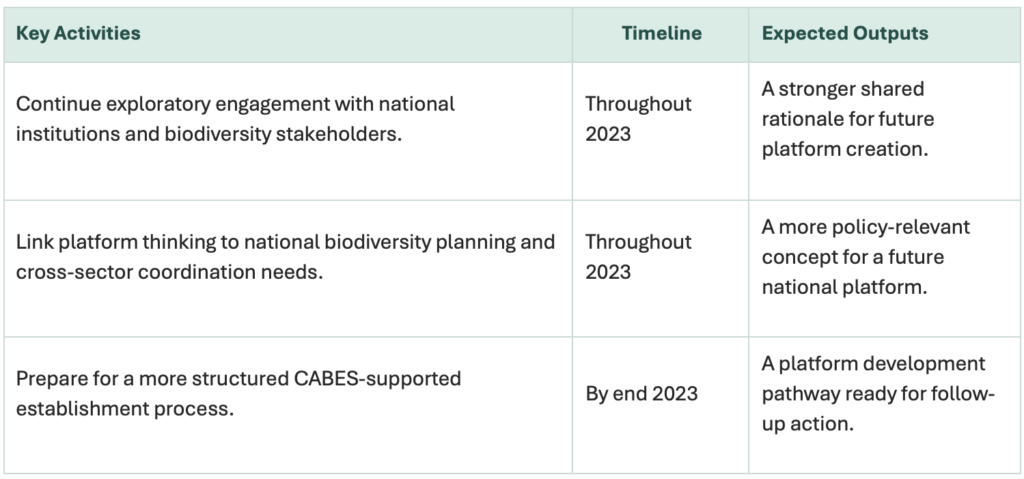
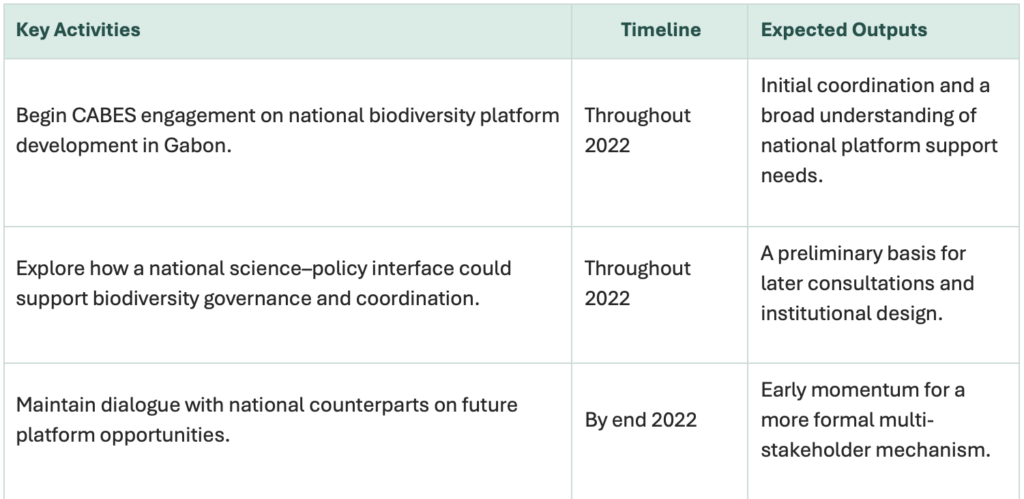
In Gabon, efforts to strengthen the national science–policy interface for biodiversity are being led jointly by the IPBES National Focal Point, CDB National Focal Point and the national NGO Forêts-Développement, with support from CABES.
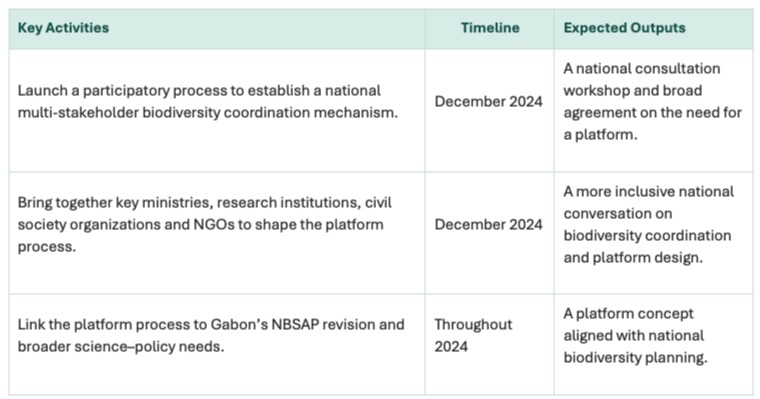
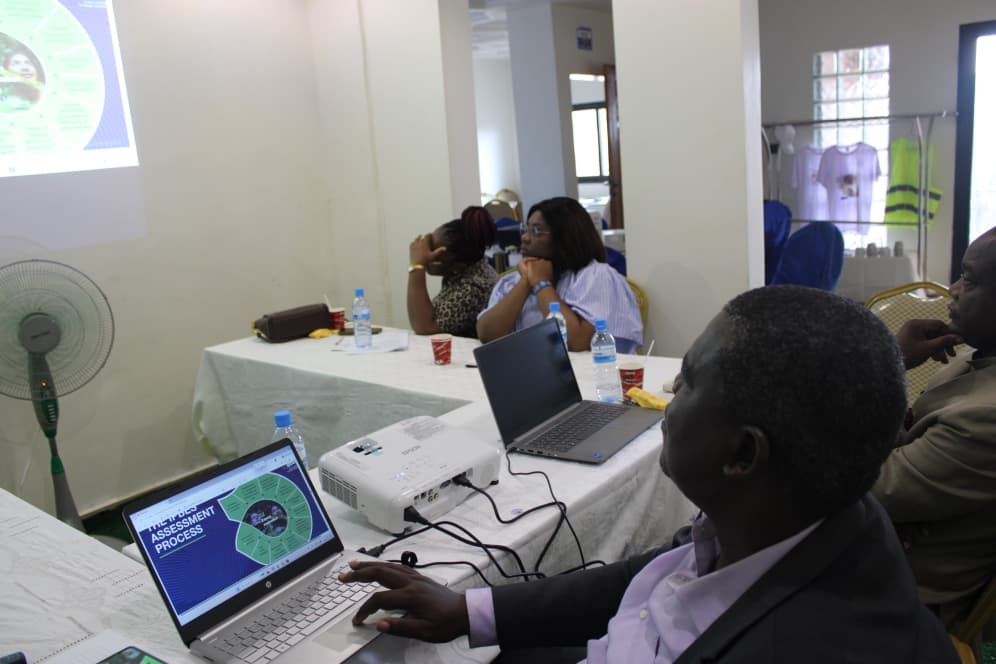
The process formally began in December 2024 through a series of participatory and inclusive consultations aimed at establishing a structured, multi-stakeholder coordination mechanism for biodiversity. An initial national workshop brought together key ministries and institutions responsible for biodiversity management — including Environment, Water and Forests, Agriculture, Research, Health, civil society organisations and NGOs — to lay the foundations for a national platform.
Discussions during the revision of Gabon’s National Biodiversity Strategy and Action Plan (NBSAP) further reinforced the need for a permanent, cross-sectoral body capable of coordinating science, policy and practice. These consultations led to agreement on establishing a formal multi-stakeholder structure, initially conceptualised as a National Biodiversity Commission.
From the outset, the approach has emphasised:
- broad institutional ownership,
- inter-ministerial coordination, and
- stronger engagement of the national scientific community.
Formalisation and legal status
Gabon is now in the advanced stages of formalising the platform through a regulatory decree.
The draft decree was submitted to the Minister of Environment in March 2025 for onward transmission for presidential signature. While administrative changes slowed the timeline, technical preparations have continued.
Following the October retreat, next steps include:
- preparation of supporting documentation (including an explanatory note),
- submission of the finalised decree for signature and promulgation,
- validation workshop for the legal and institutional framework, and
- establishment of the Commission’s functional bodies (secretariat, membership structure, and operating procedures).
In practice, operational coordination is already underway, meaning the platform is functioning informally while awaiting full legal recognition.
Where things stand now
Progress through 2025–2026 has focused on putting the platform on a firm legal and institutional footing.
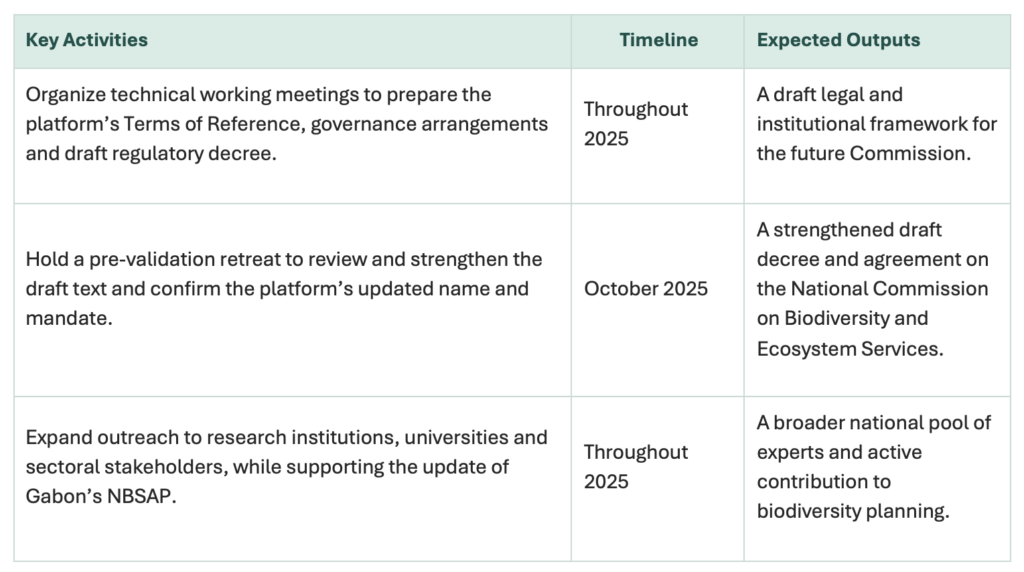
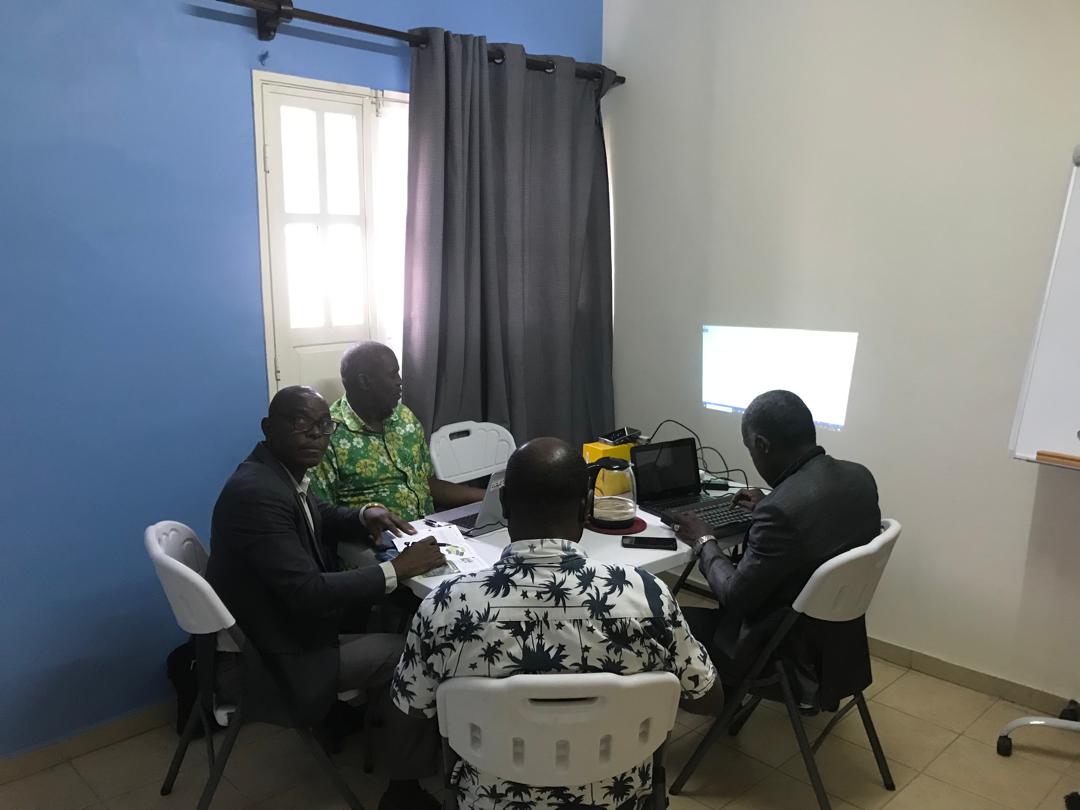
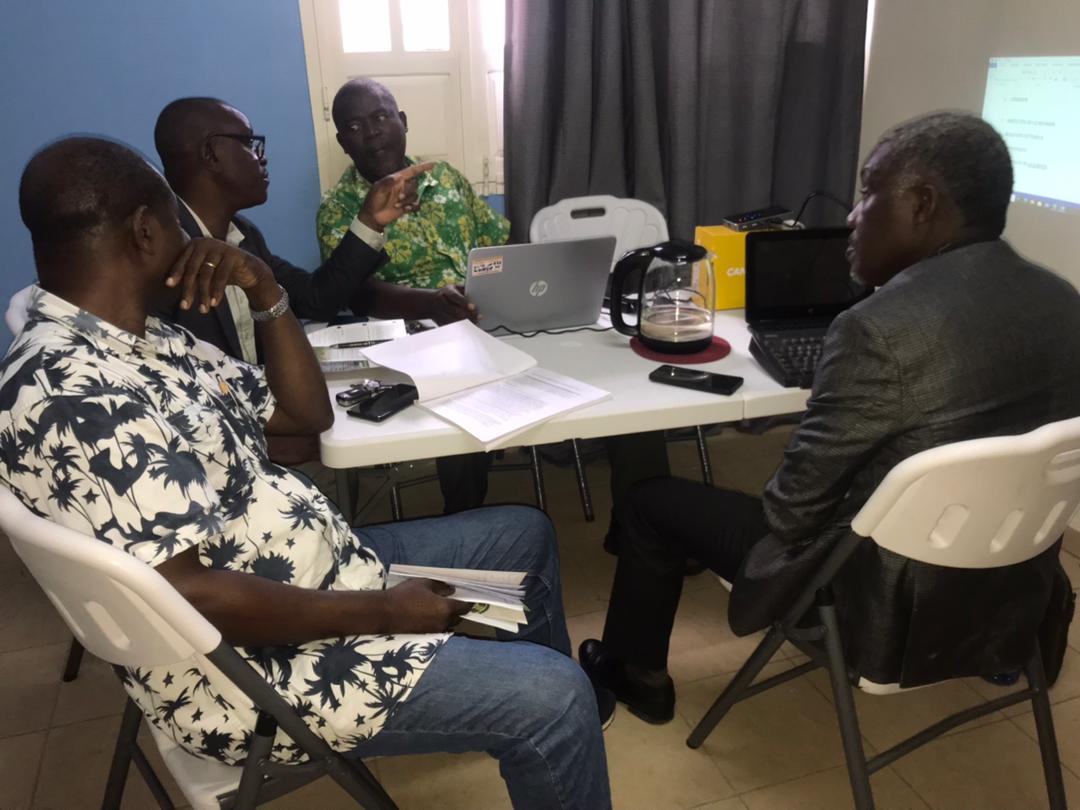
Twelve structured working meetings between the IPBES Focal Point and Forêt-Développement supported the drafting of:
- Terms of Reference,
- governance arrangements, and
- a draft regulatory decree establishing the platform’s mandate, functions, organisation and operating procedures.
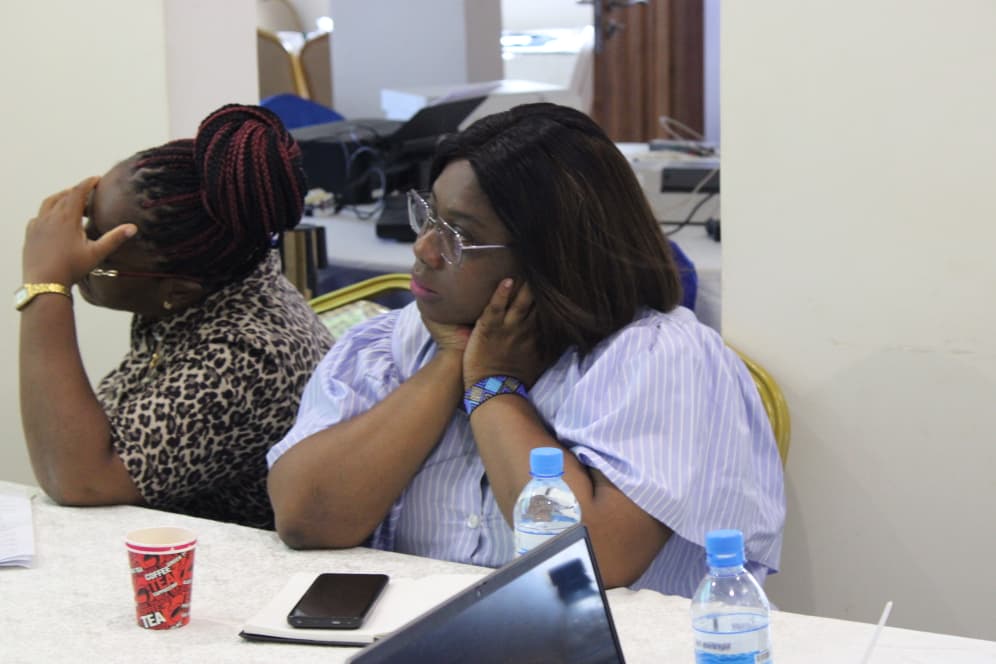
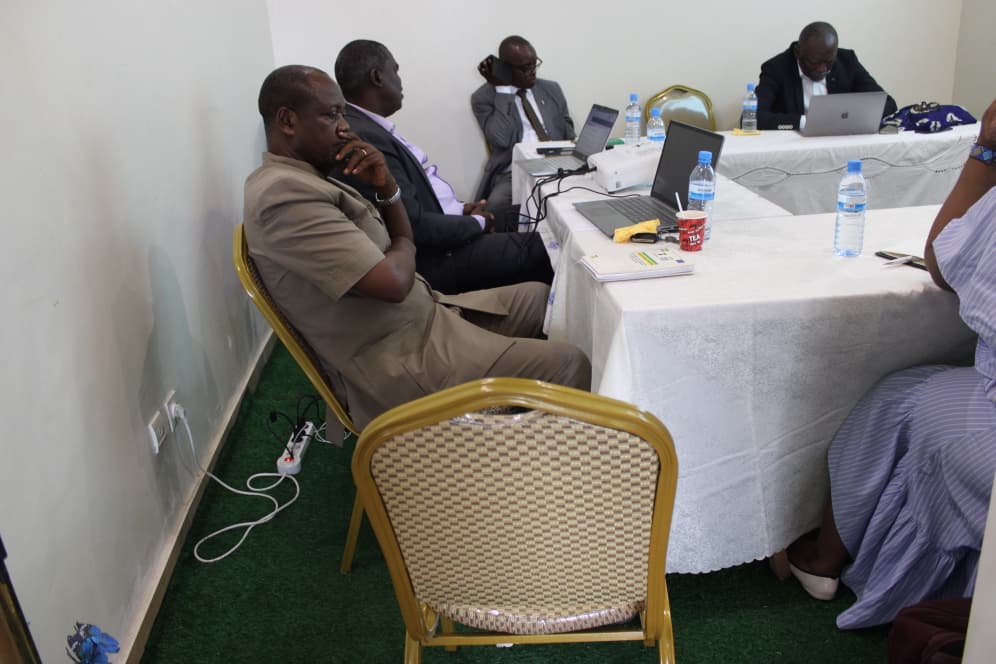
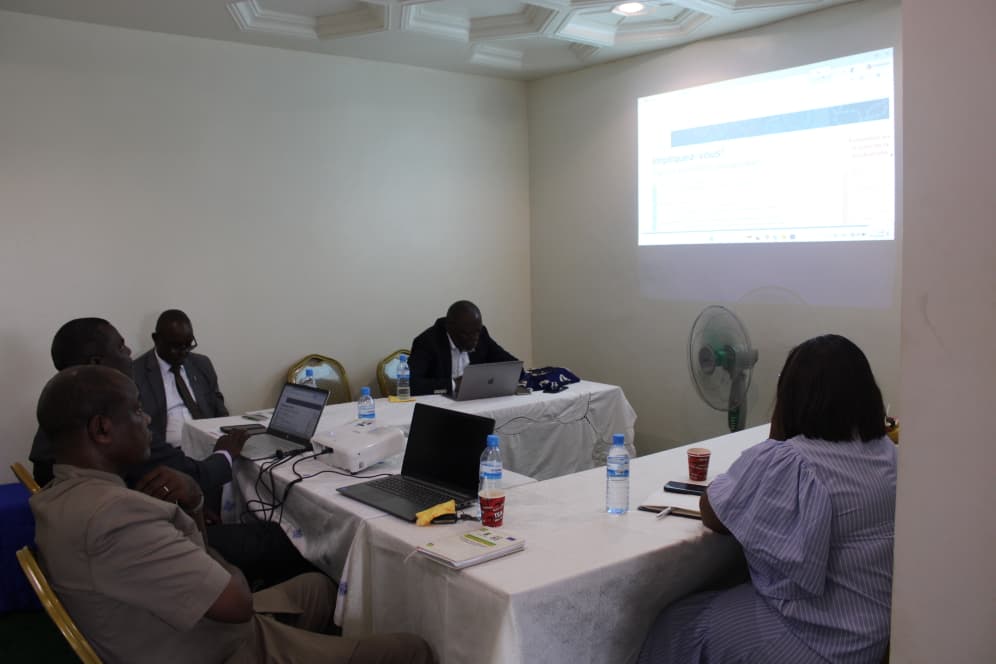
A key milestone was a pre-validation retreat held from 9–12 October 2025 in Nkok/Ntoum, bringing together the Ministry of Environment, World Wide Fund for Nature and other national stakeholders to review and strengthen the draft text. Participants endorsed the direction of travel and agreed to rename the body the National Commission on Biodiversity and Ecosystem Services, reflecting a broader science–policy mandate aligned with IPBES and the Kunming–Montréal Global Biodiversity Framework.
Since early 2025, outreach has also expanded to strengthen scientific participation. Information and coordination meetings have been organised with:
- the Calestous Juma Executive Dialogue scientific community hosted under African Union Development Agency (AUDA-NEPAD),
- national research institutions such as CENAREST,
- universities including Omar Bongo University and the University of Science and Technology of Masuku, and
- sectoral associations in agriculture, fisheries and forestry.
These engagements are building a national pool of experts ready to contribute to IPBES assessments and evidence-based policymaking.
Project - at a glance
Status: Operational coordination in place; legal formalisation underway
Lead actors: IPBES National Focal Point (Gabon), CDB National Focal Point and Forêt-Développement
Key milestones:
- National consultation workshop (Dec 2024)
- Draft decree prepared (2025)
- Pre-validation retreat (9–12 Oct 2025)
- Decree submitted for signature
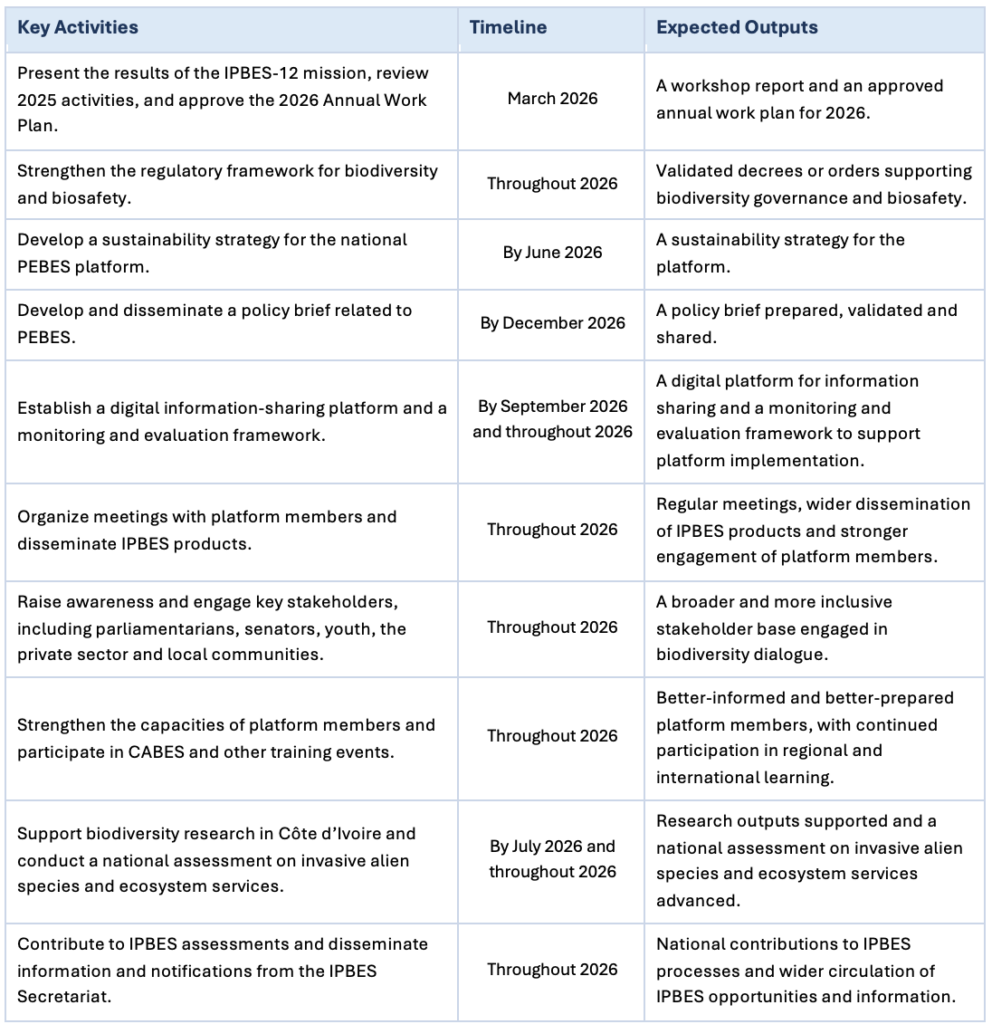
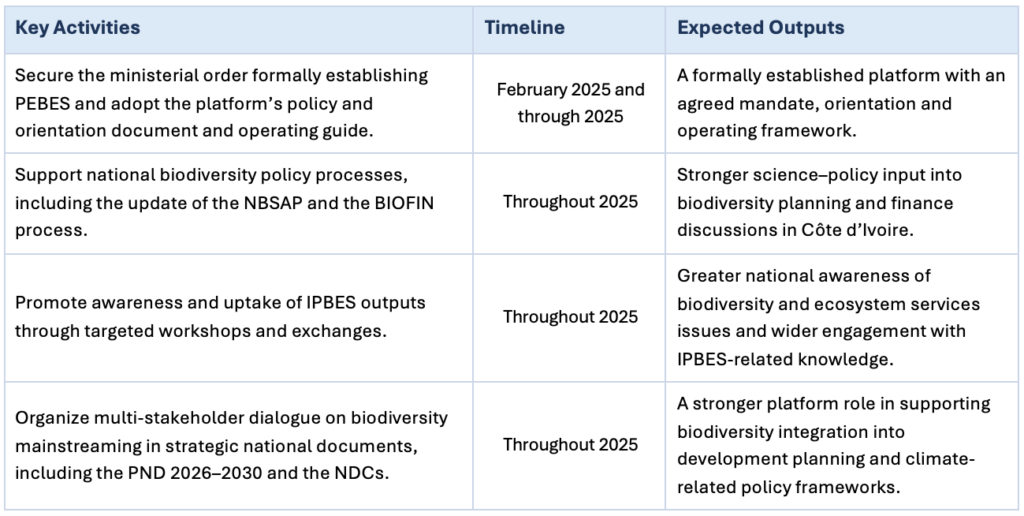
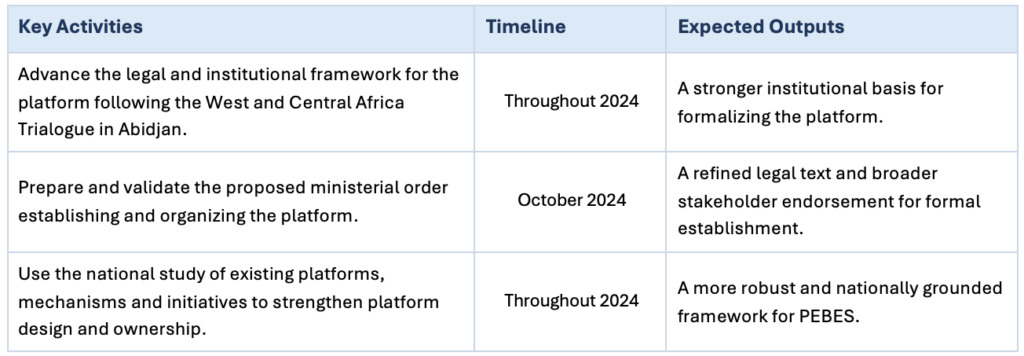
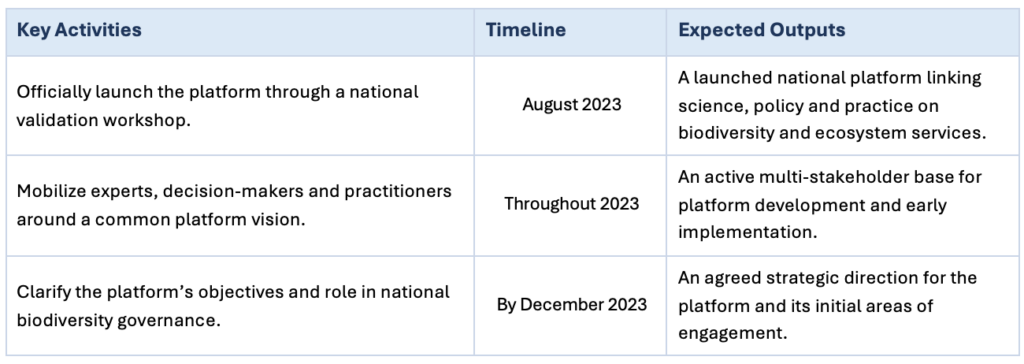
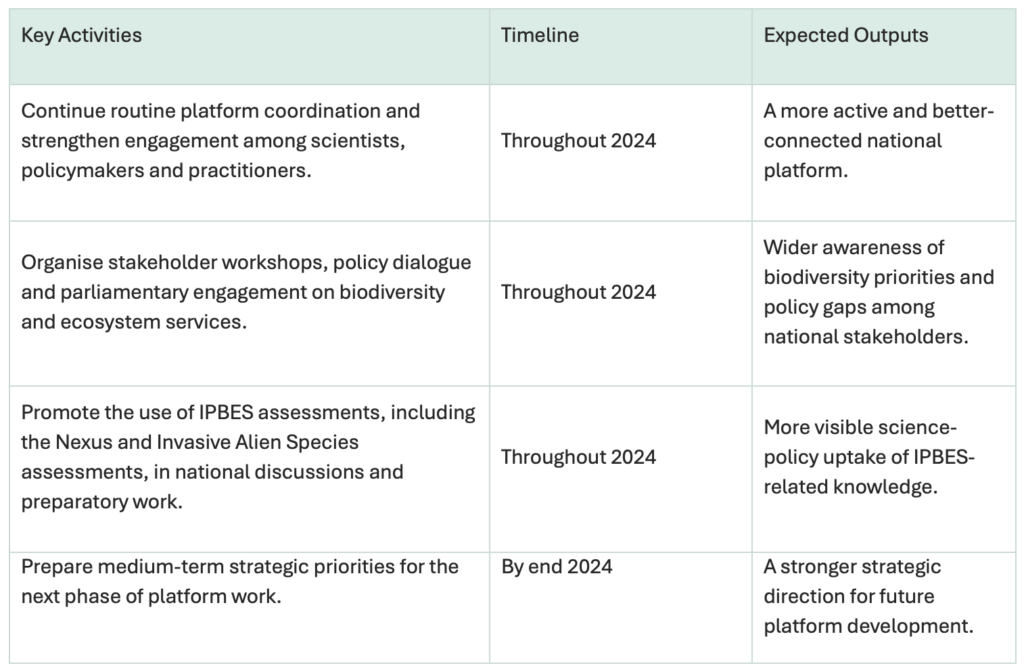
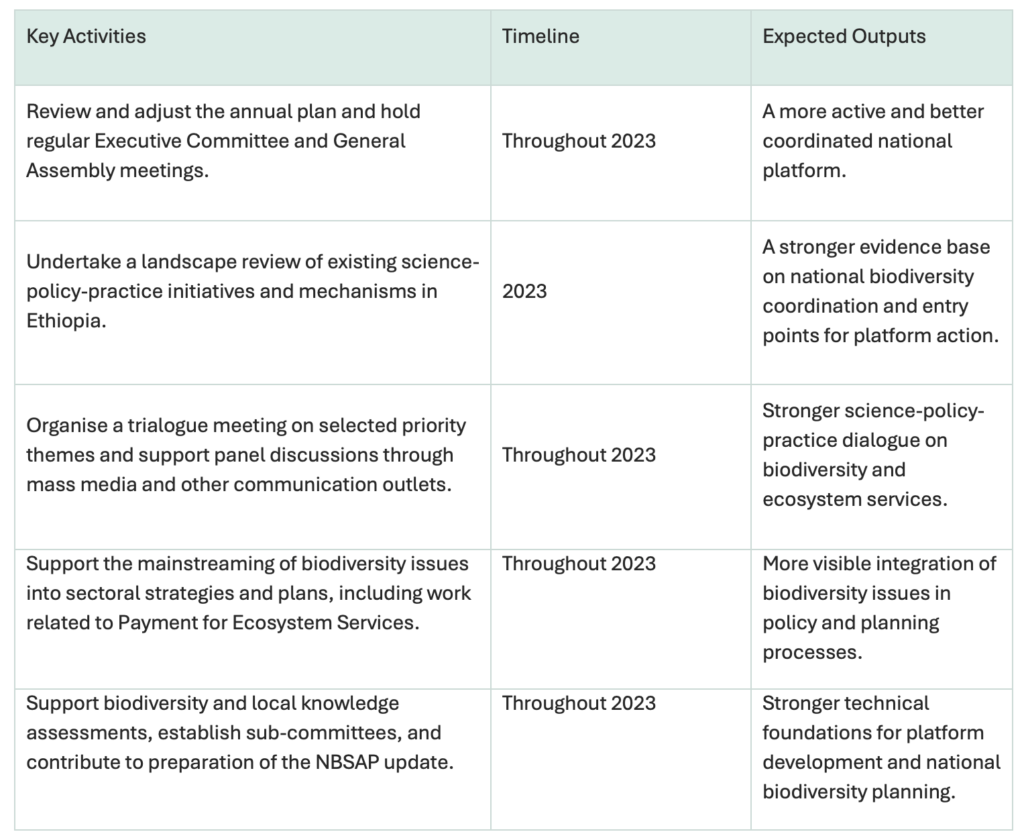
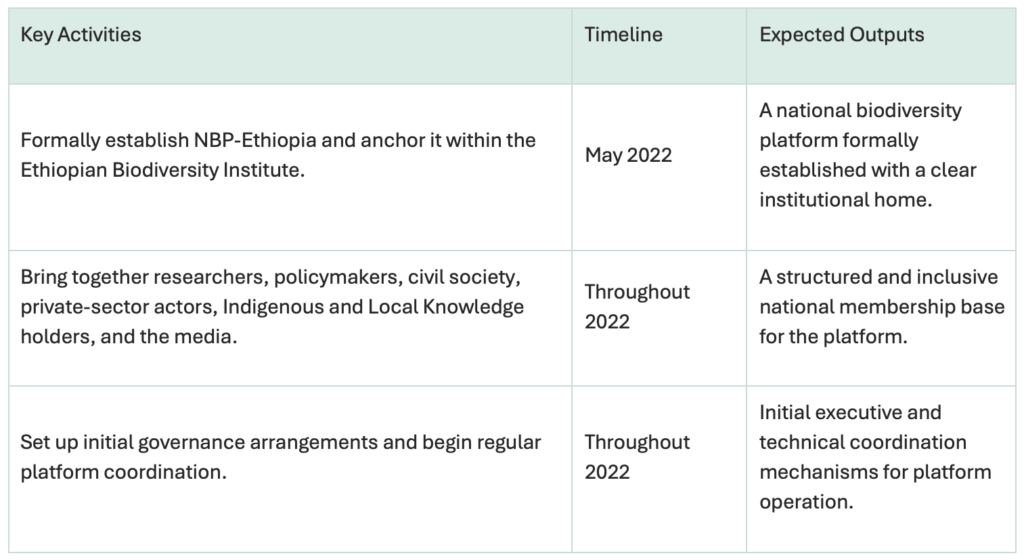
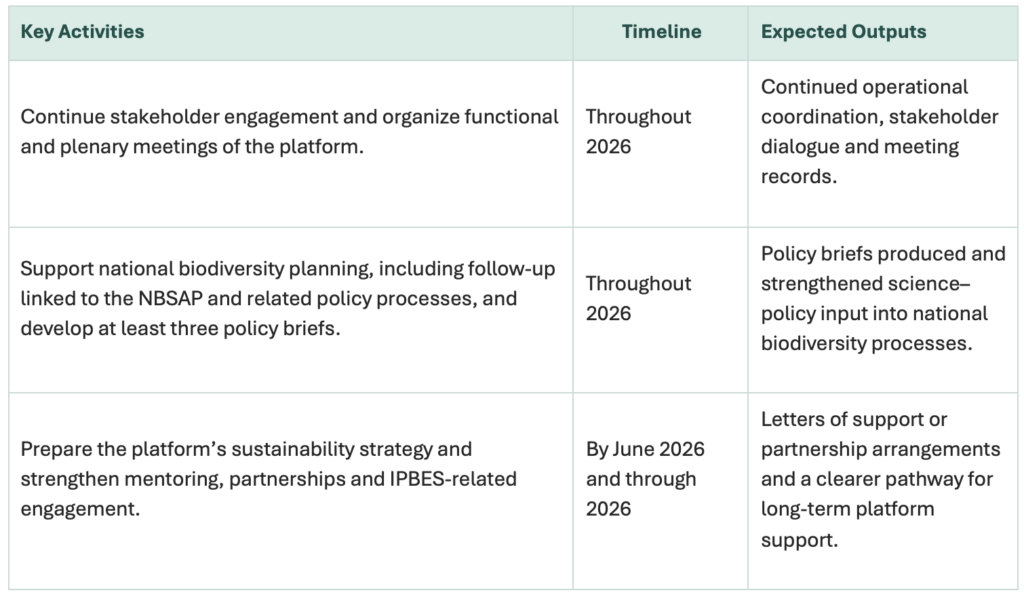
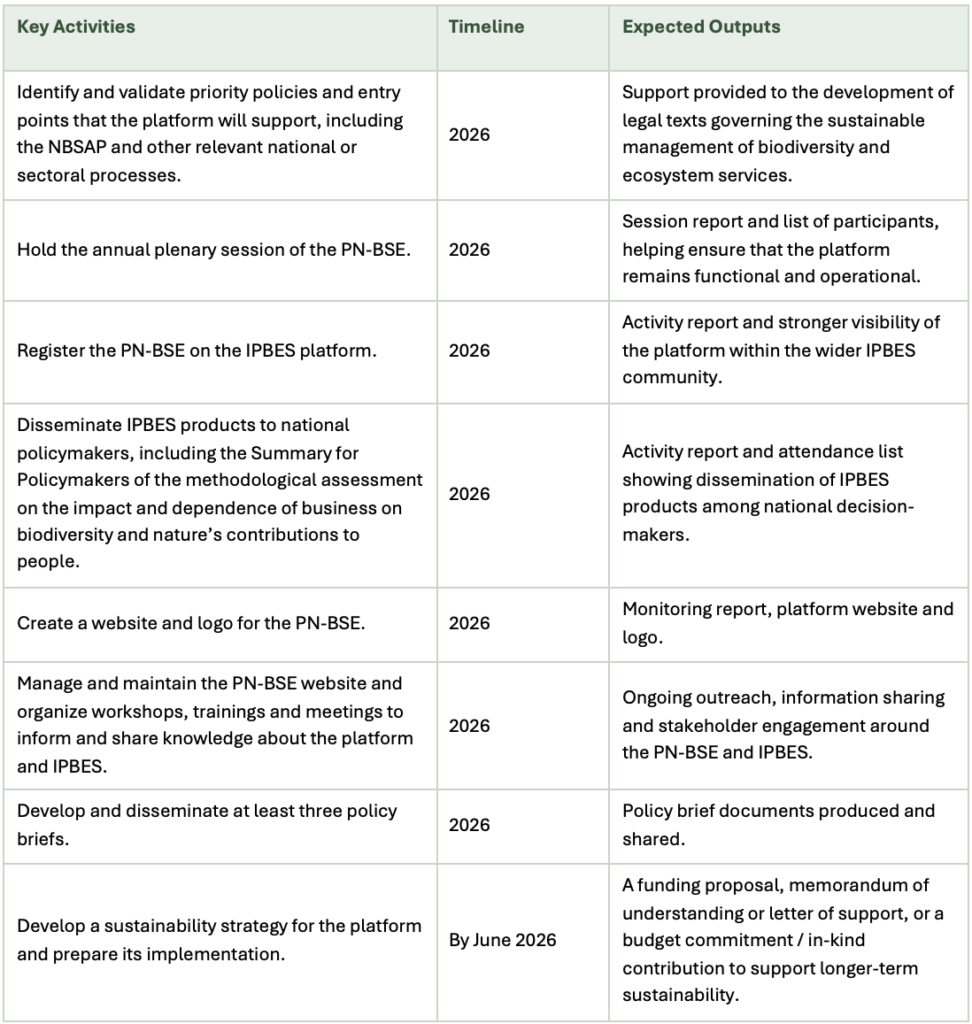
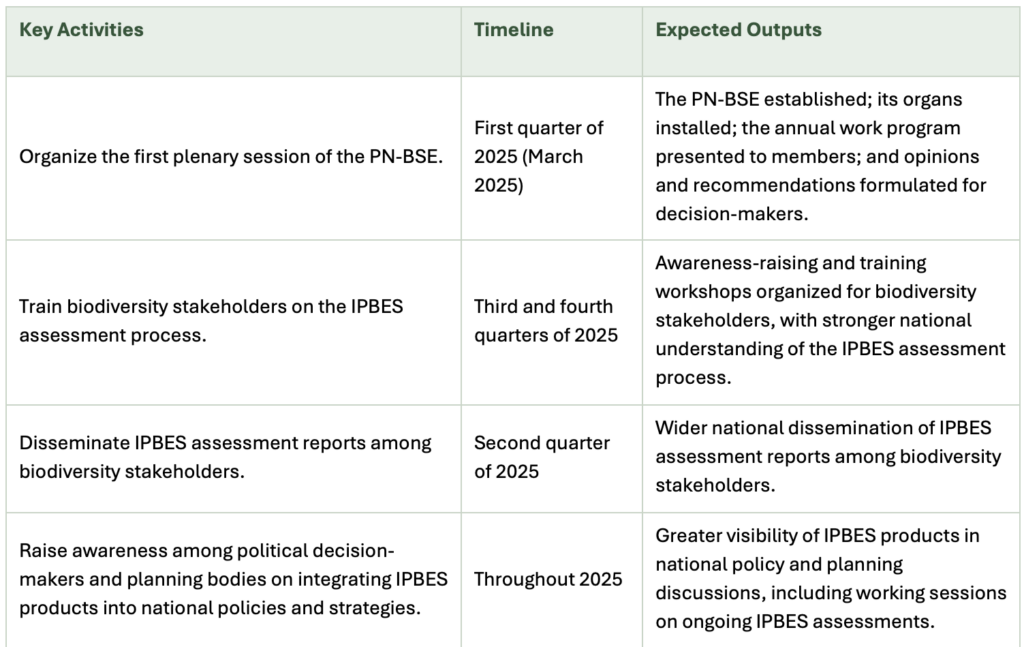
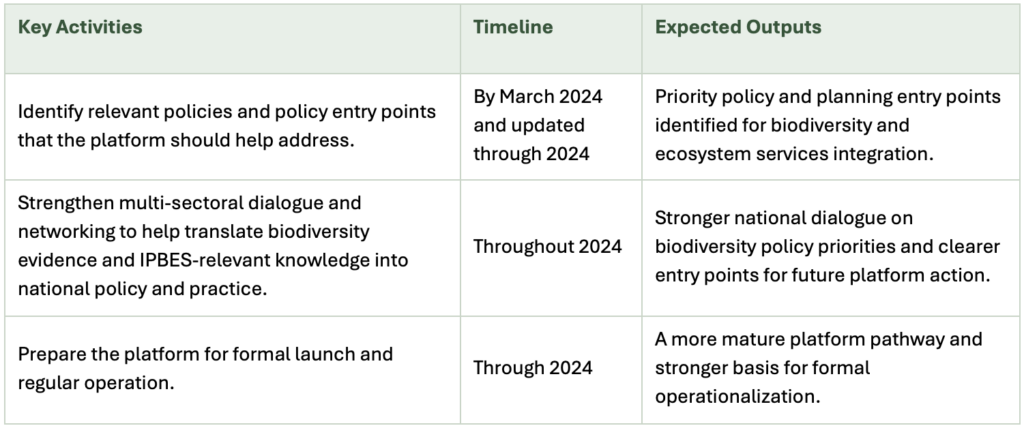
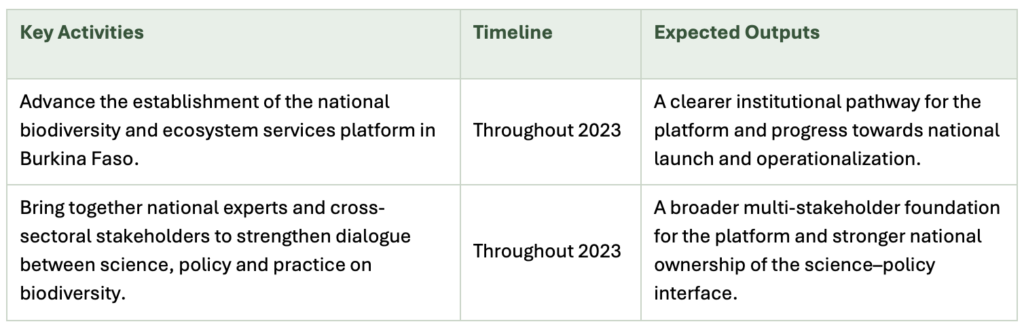
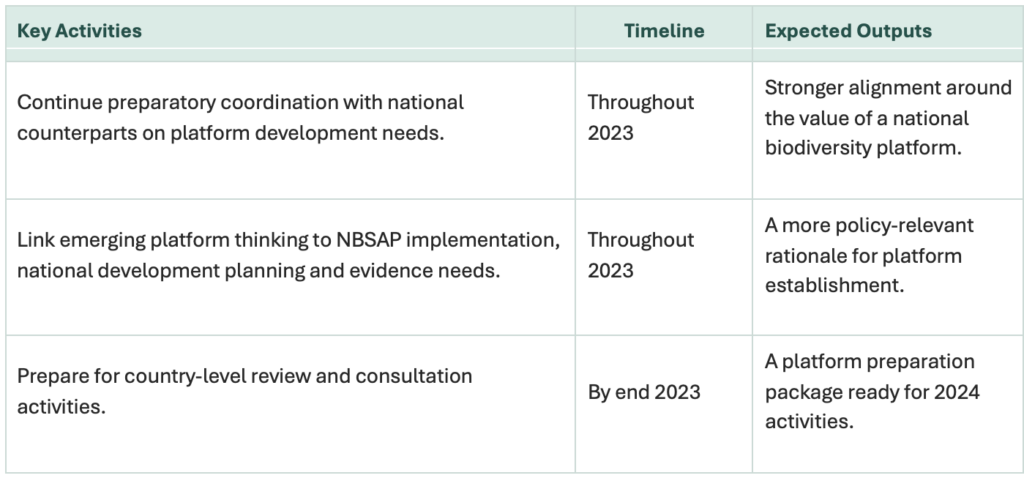
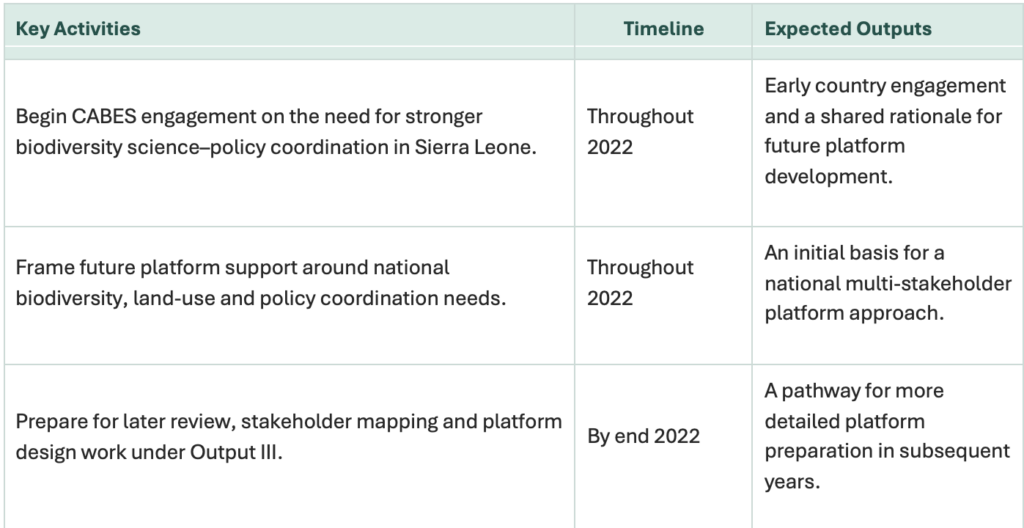
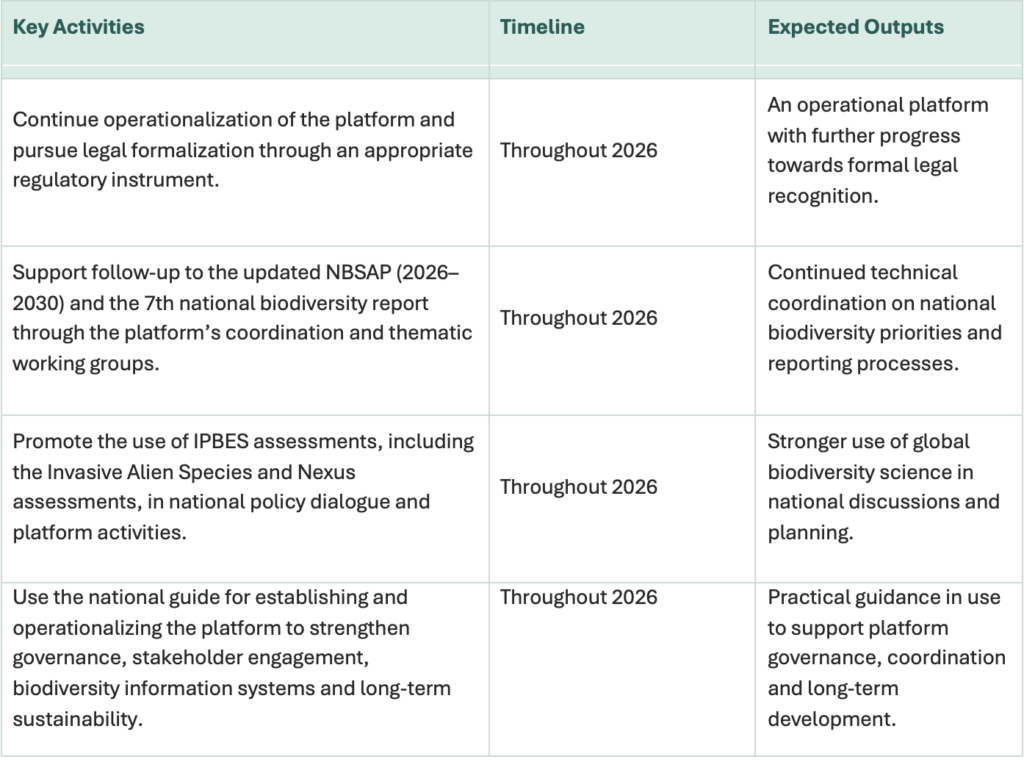
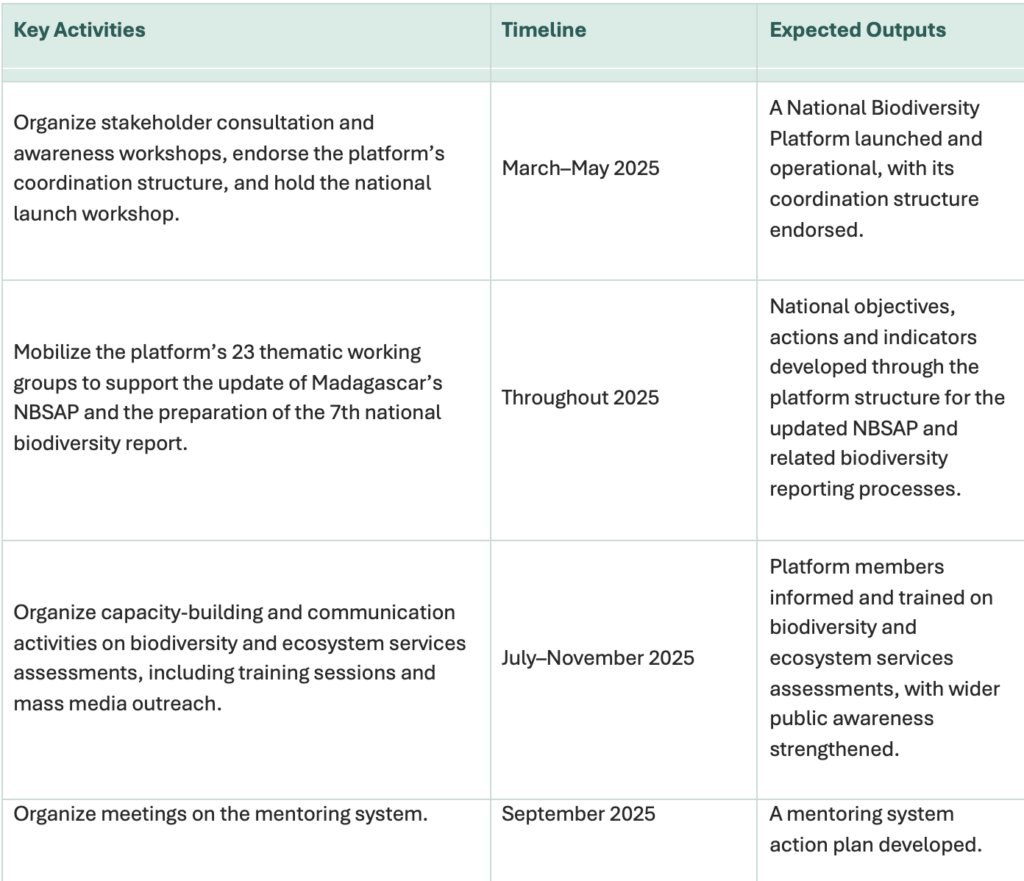
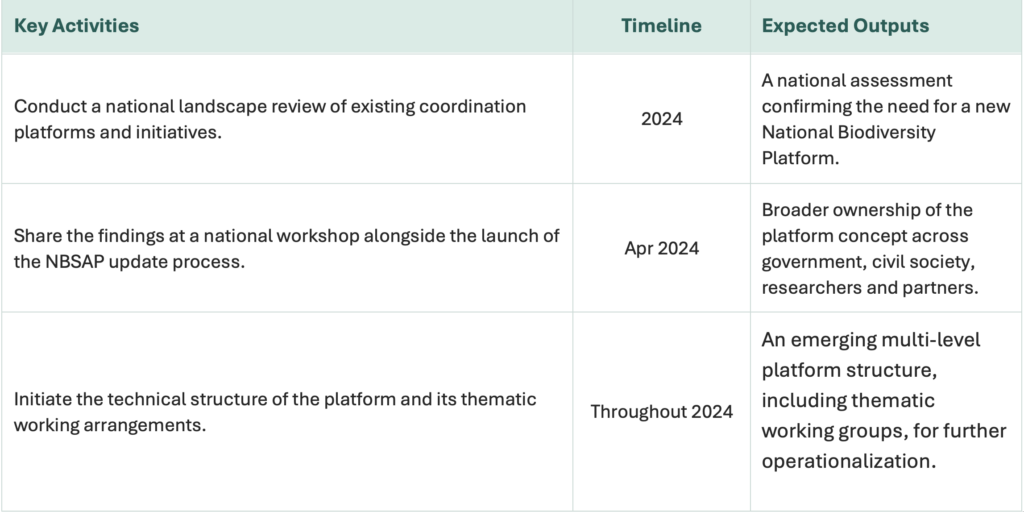
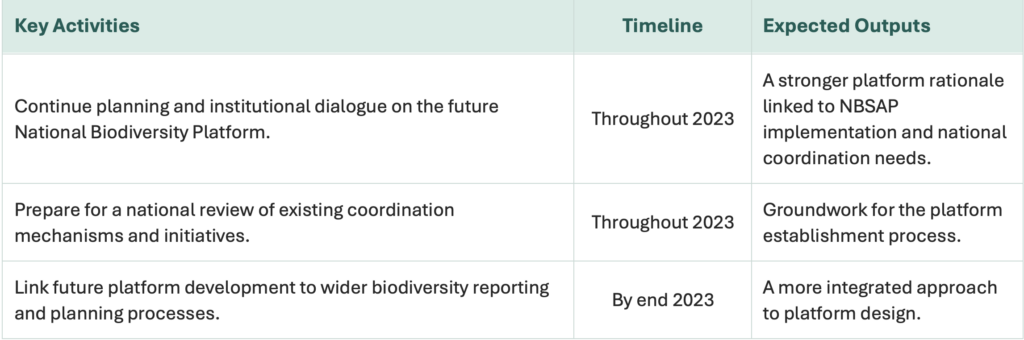
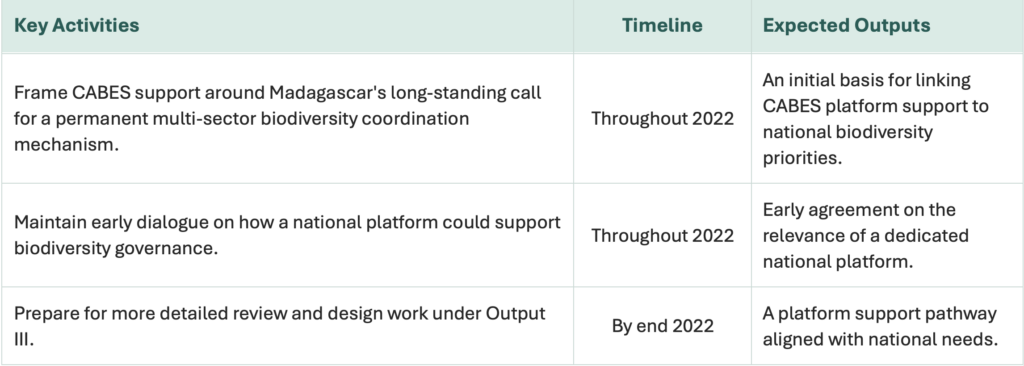
National Biodiversity Platform Annual Action Plans
Key successes and achievements
- 12 technical working meetings organised to drive the legal and institutional process.
- Terms of Reference prepared for the platform’s mandate and governance.
- Draft decree establishing the Commission developed and refined through consultations.
- October 2025 pre-validation retreat successfully amended and strengthened the legal text.
- Agreement on the updated name: National Commission on Biodiversity and Ecosystem Services.
- Formal appropriation of the draft by the Ministry of Environment, signalling strong government ownership.
- Active contribution to the update of Gabon’s NBSAP (2026–2030), reinforcing the platform’s role in national planning.
- Expanded collaboration with national focal points of the CBD and the Nagoya and Cartagena Protocols to strengthen synergies in implementation.
Key partnerships and support
Platform development has been supported through close collaboration between:
- the IPBES National Focal Point
- Forêt-Développement
- the CDB National Focal Point (the Ministry of Environment)
- World Wide Fund for Nature
Additional partnerships are being explored with:
- United Nations Development Programme
- Food and Agriculture Organization
- UNESCO
These relationships aim to mobilise technical and financial support to scale up capacity building, science engagement and implementation.
Direction of travel
In the short term, Gabon will:
- secure signature of the decree establishing the Commission,
- formalise additional partnerships and funding streams,
- continue periodic stakeholder meetings and expert mobilisation, and
- strengthen links between scientific evidence, IPBES processes, and national biodiversity policy implementation.
The longer-term vision is a legally mandated, well-coordinated national science–policy–practice mechanism that supports:
- NBSAP delivery,
- biodiversity mainstreaming across sectors,
- improved access to IPBES opportunities, and
- stronger evidence-informed decision-making.
Latest updates
Workshops, publications, and field activities.