Democratic Republic of the Congo
News & updates from our project work in Democratic Republic of the Congo
National Biodiversity and Ecosystem Services Platform (BioSE-RDC)
How the platform started
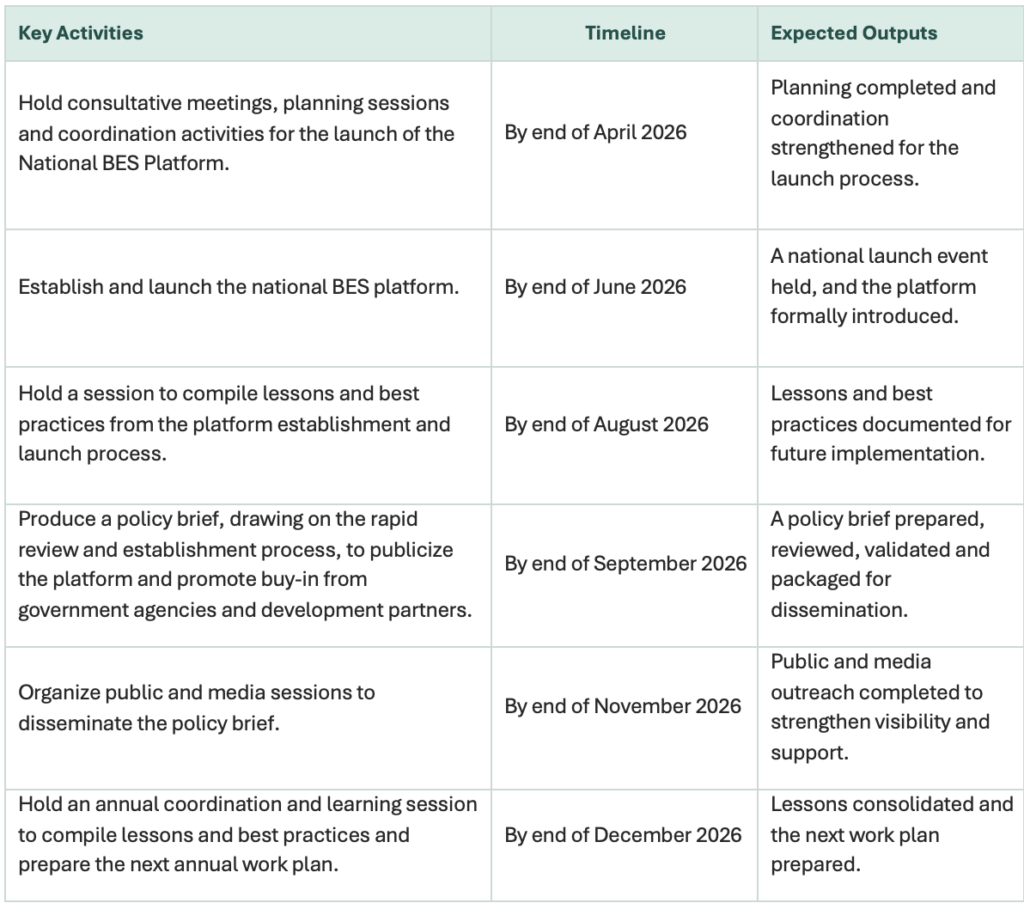
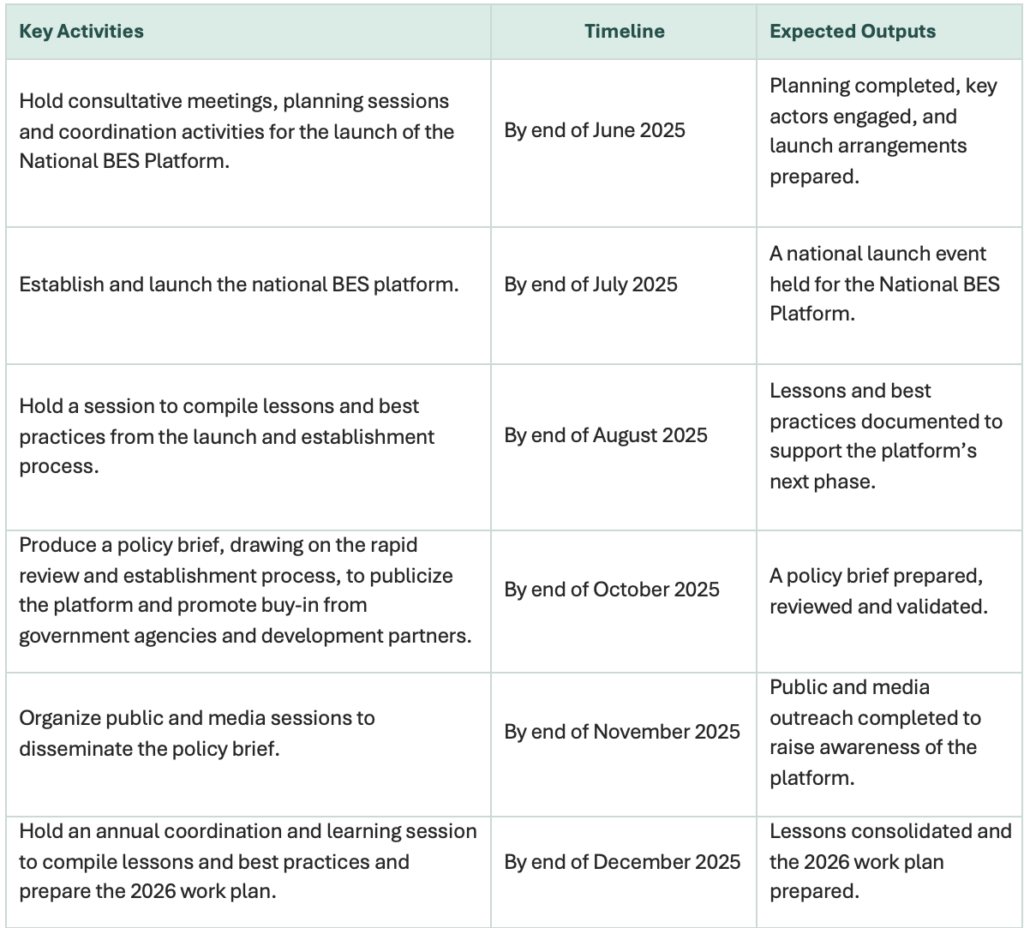
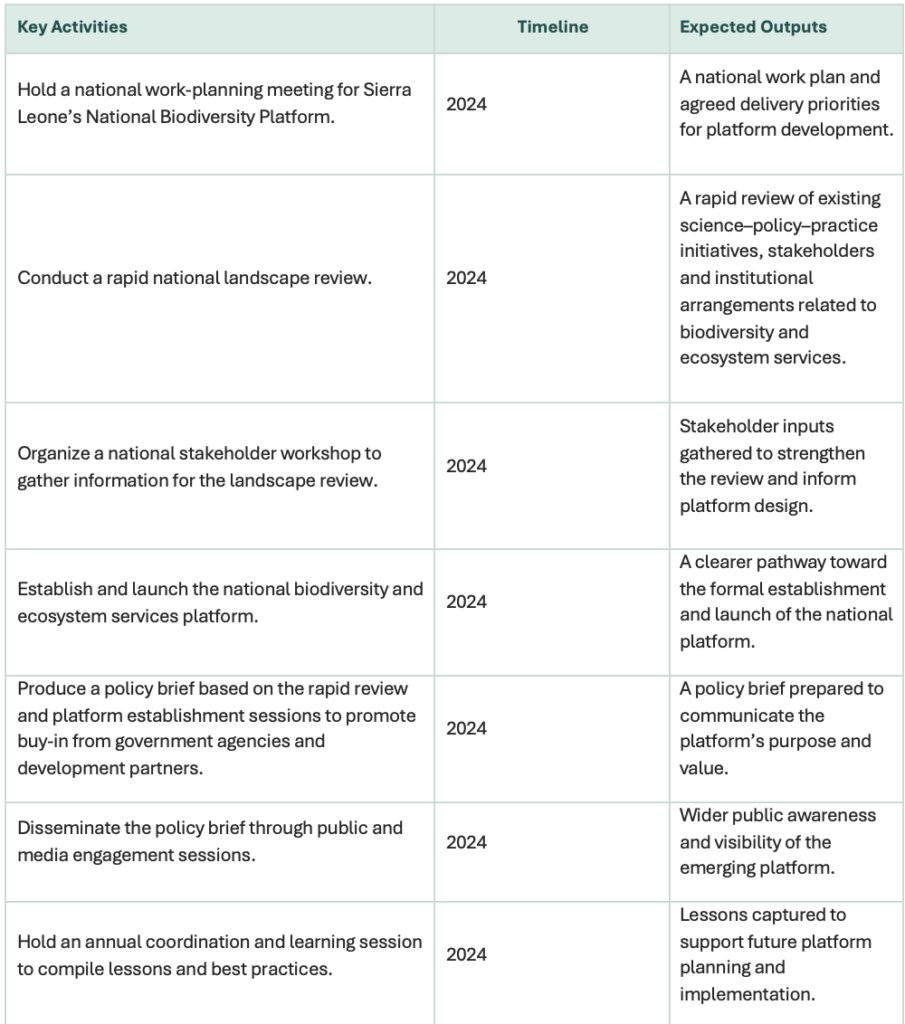
The National Biodiversity and Ecosystem Services Platform of the Democratic Republic of the Congo (BioSE-RDC) was established to address a long-standing challenge: the weak connection between scientific knowledge and biodiversity decision-making. While the DRC has a strong scientific community, research findings have often struggled to meaningfully inform policy and implementation.
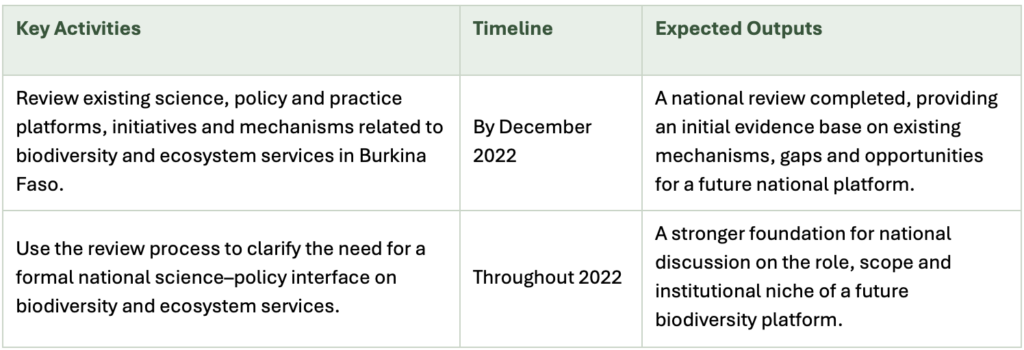
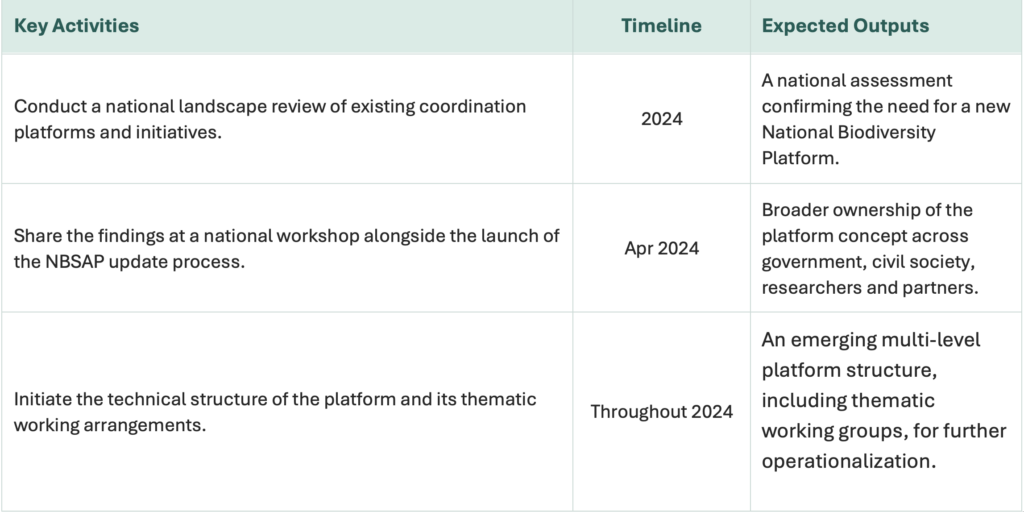
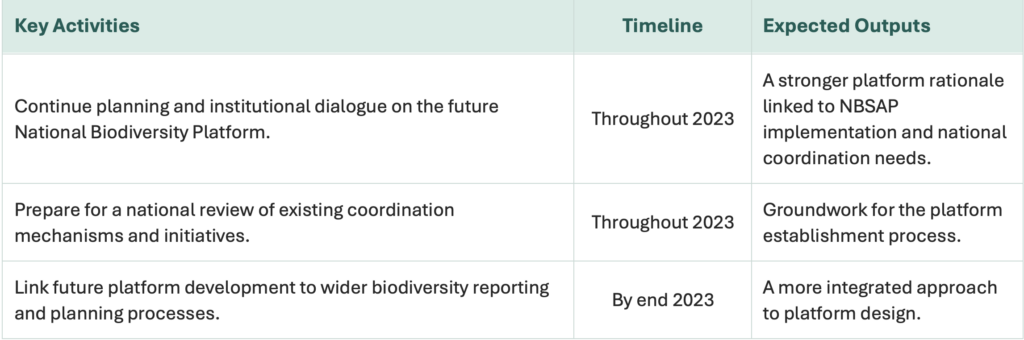
With support from the CABES project, a national landscape review highlighted this gap and confirmed the need for an inclusive national platform that could bring scientists, policymakers and practitioners together in a structured and sustained way. This work laid the foundation for BioSE-RDC as the country’s national science–policy interface on biodiversity and ecosystem services.
Where things stand now
BioSE-RDC is formally established and operational, following its creation through a ministerial decree adopted in February 2024. The platform is housed within the Ministry of Environment, Sustainable Development and New Climate Economy, and is structured around three core bodies:
- a Plenary, which provides strategic guidance and formulates recommendations for decision-makers;
- a Coordination body, responsible for overseeing scientific and technical work; and
- a Technical Secretariat, led by the national IPBES focal point, which supports day-to-day operations.
The platform now serves as the DRC’s national mechanism for linking biodiversity science with policy processes, including engagement with IPBES and implementation of national and international commitments.
Formalisation and legal status
BioSE-RDC is fully institutionalised through a ministerial decree, which defines its mandate, governance structure and operating procedures. The decree formally establishes the platform as the national science–policy interface on biodiversity and ecosystem services and provides a clear legal basis for its continued operation.
Why the platform matters
The experience of BioSE-RDC demonstrates that inclusive national biodiversity platforms are not optional. They are essential to making national biodiversity strategies and plans work. By creating trusted spaces for dialogue, interpretation and collaboration, BioSE-RDC helps ensure that science informs decisions, policies are nationally owned, and global commitments are translated into implementation.
As countries across Africa continue to revise and implement their NBSAPs, the lesson from the DRC is clear: when science is embedded in an inclusive national platform, it doesn’t just inform policy — it helps make policy work.
Project - at a glance
- Status: Operational and legally established
- Year established: 2024
- Lead institution: Ministry of Environment, Sustainable Development and New Climate Economy
- Scope: National, multi-stakeholder science–policy platform on Biodiversity and Ecosystem Services
Turning science into action in the DRC
BioSE-RDC is helping connect science, policy and implementation in support of the Democratic Republic of the Congo’s updated National Biodiversity Strategy and Action Plan.
Key successes and achievements
BioSE-RDC played a central role in the revision and technical validation of the DRC’s National Biodiversity Strategy and Action Plan (NBSAP 2025–2030). Rather than treating the NBSAP as a one-off policy exercise, the revision process was embedded within the platform, creating an ongoing dialogue between scientists, policymakers and implementing institutions.
Through BioSE-RDC, scientists contributed directly to shaping national priorities, strengthening the scientific credibility of the NBSAP and ensuring alignment with the Kunming–Montreal Global Biodiversity Framework. The platform also created space for open discussion on why scientific evidence often fails to influence policy, and how this gap can be narrowed in practice.
As a result, the updated NBSAP has emerged not only as a policy document, but as a shared national framework, better connected to national planning processes, biodiversity financing discussions and reporting obligations under the Convention on Biological Diversity (CBD).
BioSE-RDC also supported national engagement with the IPBES, including nominating and supporting Prof. Mylor Ngoy Shutcha (University of Lubumbashi) to be elected to the IPBES Multidisciplinary Expert Panel during the twelfth session of the IPBES Plenary in Manchester (UK). He will serve on the Panel until the fifteenth session of the IPBES Plenary. BioSE-RDC also supported the nomination of Dr. Paul Kazaba (University of Lubumbashi) as an IPBES Fellow for the IPBES Monitoring Assessment.
Key partnerships and support
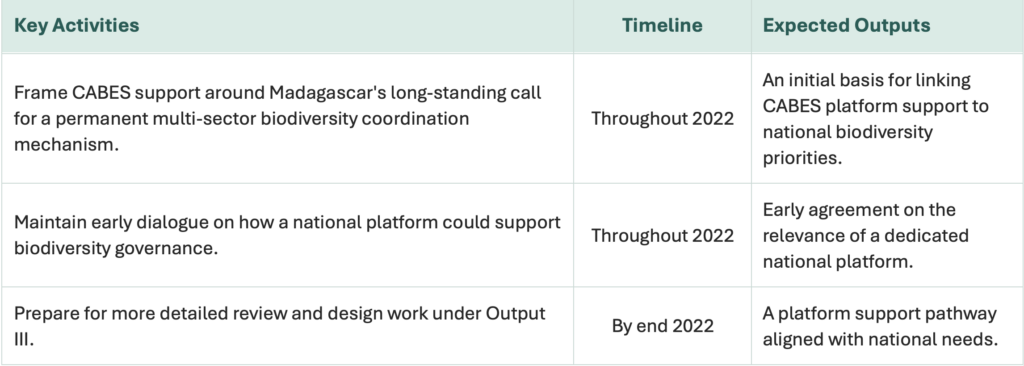
The platform has been supported by the CABES project, which has helped strengthen BioSE-RDC as a focal mechanism for science–policy engagement. Given limited resources, CABES support in the DRC has taken a strategic, high-impact approach, prioritising the platform as the main vehicle for translating scientific knowledge into policy and action.
BioSE-RDC has also shared its experience internationally. In November 2025, the platform’s role in strengthening the science–policy interface was presented during side events at COP30 in Belém, generating interest among other countries exploring similar approaches.
Latest updates
Workshops, publications, and field activities.
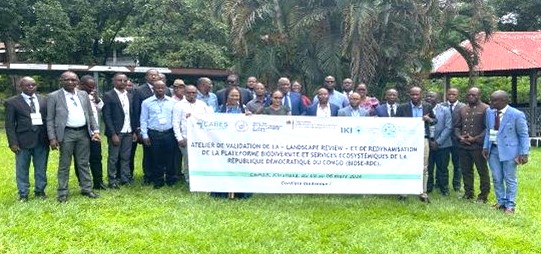
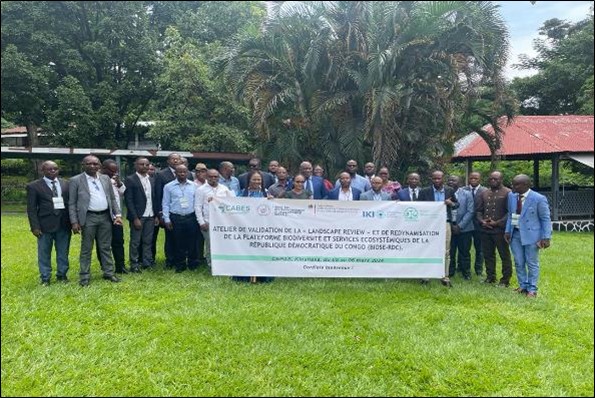
Workshop to validate the study of existing science-policy-practice initiatives and mechanisms, and revitalization of the Biodiversity and Ecosystem Services platform of the Democratic Republic of Congo (BioSE-RDC).
The Democratic Republic of Congo’s General Secretariat for the Environment and Sustainable Development hosted a national workshop to validate the report analysing the landscape of existing platforms in the country.